Culture & Entertainment · India Bureau
Gandhi's complex relationship with cinema explored through film history
While Mahatma Gandhi viewed cinema as a corrupting Western influence, filmmakers have long been captivated by his life and legacy. The cinematic fascination with the independence leader reveals a paradox at the heart of India's cultural history.
LSN India ·
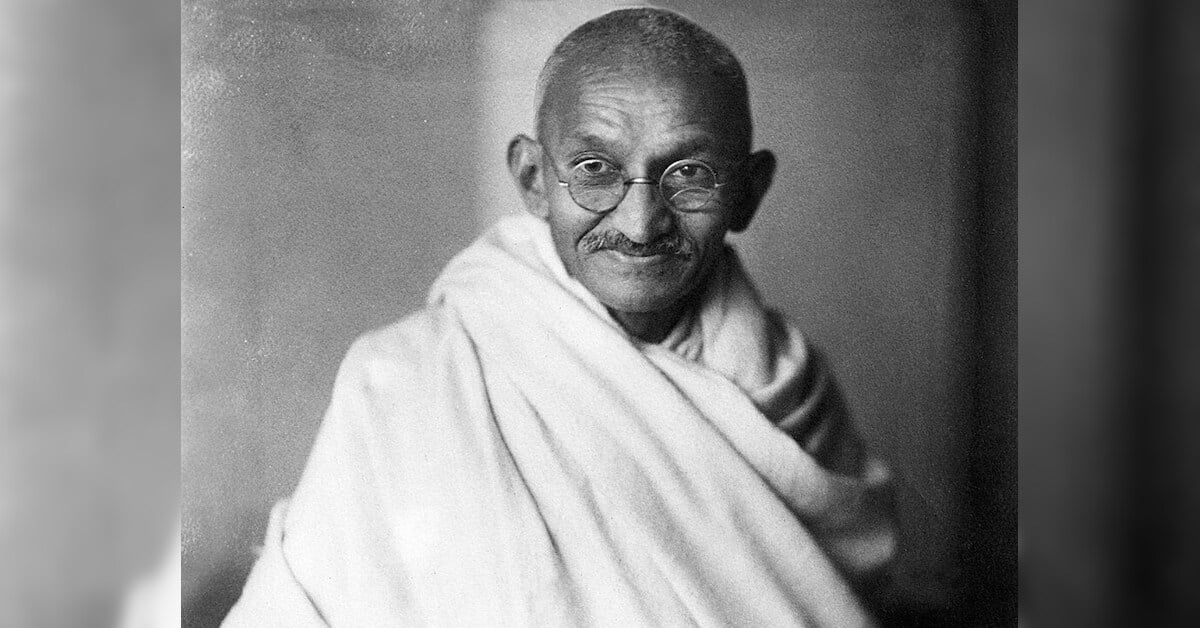
Mohandas Karamchand Gandhi maintained a skeptical stance towards cinema throughout his life, viewing the medium as a symbol of Western decadence that threatened Indian values and traditional ways of living. His concerns about film's potential to corrupt audiences and divert people from meaningful pursuits reflected broader anxieties about modernization during the independence movement. Yet despite—or perhaps because of—Gandhi's reservations about the medium, cinema has remained irrevocably drawn to his story.
From the earliest days of Indian cinema, filmmakers have recognized the dramatic and symbolic power of Gandhi's life. Directors across generations have sought to capture his philosophy, struggles, and legacy on screen, making him one of the most frequently depicted figures in South Asian film. The medium that Gandhi distrusted became instrumental in shaping how Indians and the world understood his contributions to independence and non-violence.
This curious tension between Gandhi's critique of cinema and the film industry's deep engagement with his narrative offers insight into India's cultural evolution. As the nation navigated modernity and nation-building, cinema emerged as a powerful tool for both documenting and interpreting historical figures. The camera's persistent focus on Gandhi transformed him into an enduring cinematic subject, ensuring that the independence leader's image would be preserved and reinterpreted for successive generations of audiences.
Today, Gandhi's relationship with cinema serves as a historical footnote that underscores the often-unpredictable ways in which new technologies shape cultural memory. What he viewed with suspicion became a primary vehicle for transmitting his ideas and image across time and borders, demonstrating how cultural anxieties about innovation frequently give way to its eventual dominance in society.