Politics · India Bureau
Gandhi's Protest Movement Gains Momentum Beyond Congress Party
Rahul Gandhi's high-profile demonstrations have attracted widespread public support that increasingly exceeds the Indian National Congress's organizational capacity. The party faces mounting pressure to channel and sustain the growing movement.
LSN India ·
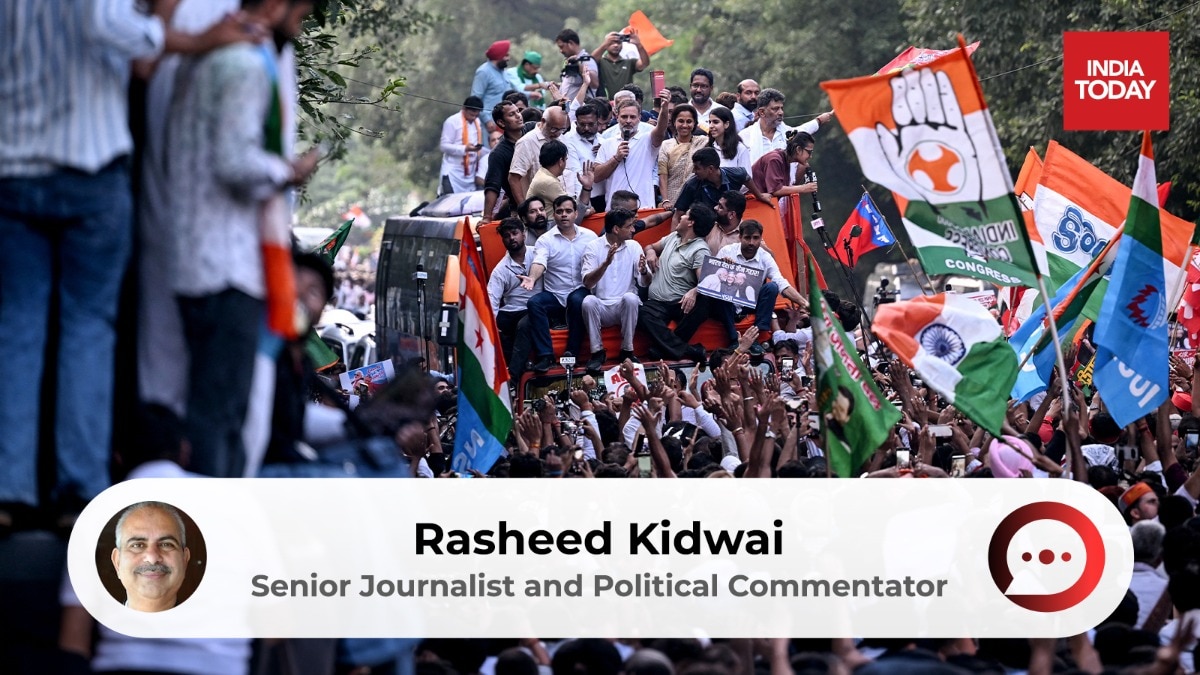
Rahul Gandhi's sustained campaign of public protest has emerged as a significant political force, drawing crowds and media attention that extend well beyond the traditional Congress party apparatus. The demonstrations, centered on issues of economic hardship and alleged governmental overreach, have resonated with segments of the electorate seeking an alternative voice in national discourse.
The scale and intensity of these protests have created a paradox for the Congress leadership. While the movement amplifies the party's opposition messaging and elevates Gandhi's public profile, the organizational infrastructure required to sustain and channel such momentum has proven challenging to maintain. Analysts note that grassroots participation often outpaces the party's capacity to translate protest energy into structured political advantage.
Party strategists face critical decisions regarding resource allocation and messaging coherence as the protest movement expands. Maintaining relevance requires balancing spontaneous public engagement with disciplined party organization. The coming weeks will reveal whether Congress can consolidate this momentum into lasting electoral and institutional gains, or whether the movement's energy will dissipate without structured follow-through.
The situation underscores broader challenges confronting India's principal opposition party: adapting to contemporary protest dynamics while rebuilding institutional strength across states and constituencies.