Politics · India Bureau
Gandhi's Relevance Resurges Among India's Youth, Documentary Explores
A new documentary examines how Gandhian principles of non-violent resistance are finding unexpected resonance with Gen Z activists in contemporary India. The film traces how a generation largely unfamiliar with the Mahatma's teachings independently rediscovered satyagraha during recent student-led protests.
LSN India ·
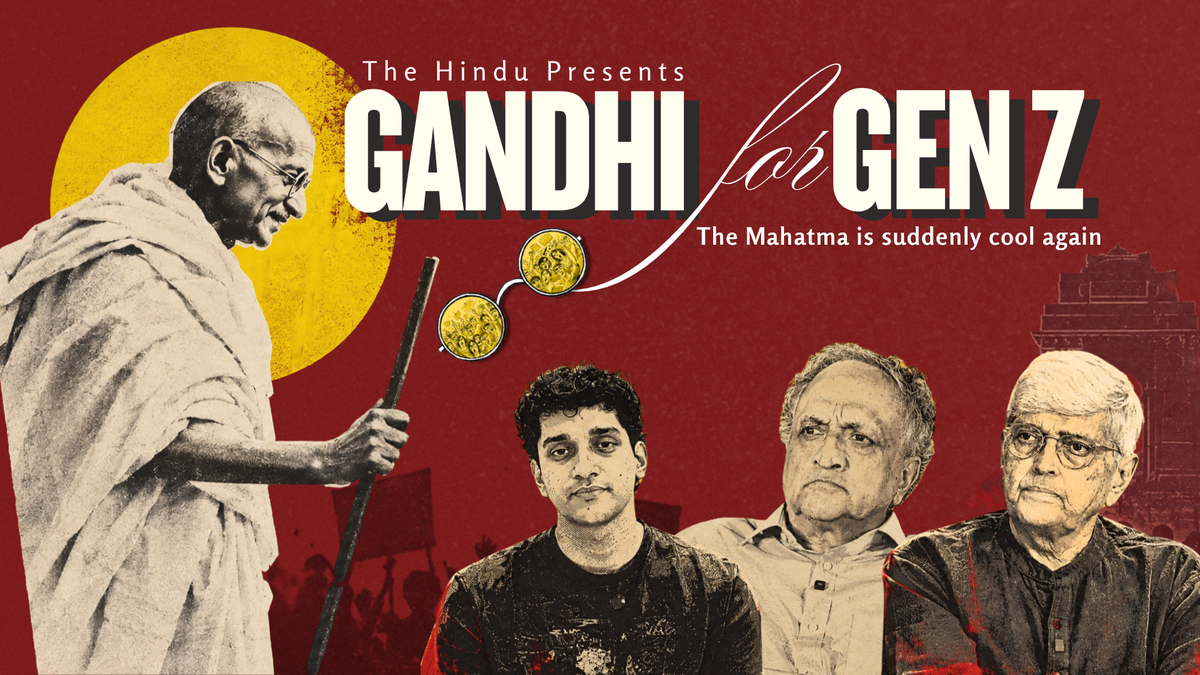
A generation that grew up without studying Mahatma Gandhi has inadvertently rekindled interest in his core philosophy of non-violent resistance, according to a new documentary examining the enduring relevance of Gandhian thought in modern India.
The film traces how student protesters at Jantar Mantar in 2026, initially mobilised against the NEET examination paper leak, instinctively adopted methods of peaceful demonstration, sit-ins and fasts that echoed the principles of satyagraha. What began as a focused campaign evolved into broader conversations about dissent, democratic participation and the language of political activism in contemporary society.
Beyond the student movement, the documentary identifies Gandhian ideas permeating various contemporary initiatives—from the Cockroach Janata Party's unconventional activism to community-based development work undertaken by organisations like SEWA. The film explores the philosophical intersections and tensions between Gandhi and Ambedkar, examines how civil disobedience functions in the digital age, and grapples with the challenges of practising non-violence amid deepening social polarisation.
Featuring contributions from historian Ramachandra Guha, Gandhi scholar Gopalkrishna Gandhi, activist Mirai Chatterjee and others, the documentary positions Gandhi not as a historical monument but as a living proposition capable of addressing present-day challenges. Rather than focusing on what Gandhi said decades ago, the film investigates what emerges when contemporary activists encounter similar questions without consciously referencing his legacy.