World · Bangladesh Bureau
Garment Industry Prepares Wage Offer Ahead of Minimum Pay Review
Bangladesh's apparel manufacturers are gearing up to present their salary proposals as the country undertakes its periodic review of minimum wages for the sector. The industry's position could significantly influence the government's decision on revised wage floors.
LSN Bangladesh ·
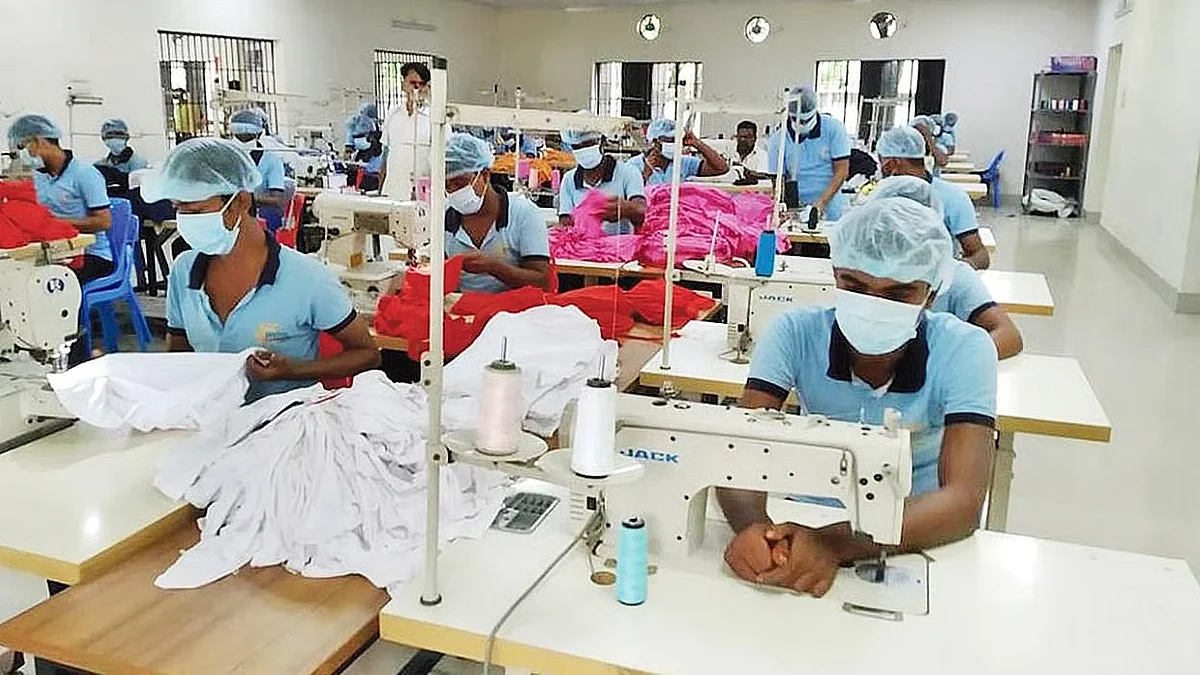
The garment manufacturing sector, which employs millions of workers across Bangladesh, is preparing formal recommendations on minimum wage levels as discussions intensify over revising the existing pay structure. Industry representatives are expected to submit detailed proposals outlining what wage increases they believe are feasible while maintaining competitiveness in global markets.
The minimum wage review process typically involves consultations between government authorities, employer associations, and worker representatives to establish new wage floors for different factory categories. The outcome affects a substantial portion of Bangladesh's workforce, particularly in the Ready-Made Garment (RMG) industry, which remains a cornerstone of the national economy.
Manufacturers have historically cited production costs, export market dynamics, and worker retention needs in their wage recommendations. The industry's proposals will be scrutinized against workers' demands for better compensation, as labor groups typically seek increases that reflect rising living costs and inflation.
The timing of the wage review comes as Bangladesh continues to strengthen its position in global supply chains. The government's final decision on minimum wages will need to balance economic competitiveness with adequate worker compensation and social stability in the garment sector.
Stakeholders expect the review process to conclude with officially announced minimum wage levels that will apply across various garment factory classifications. The outcome remains closely watched by international brands, local manufacturers, and workers' organizations alike.