World · World News Bureau
Gaza conflict exacerbates breast cancer treatment crisis for women
The ongoing conflict and blockade in Gaza have severely disrupted medical care for women with breast cancer, leaving patients unable to access chemotherapy, radiation therapy, and diagnostic services. Healthcare professionals warn of a mounting oncology crisis as treatment delays accumulate.
LSN World News ·
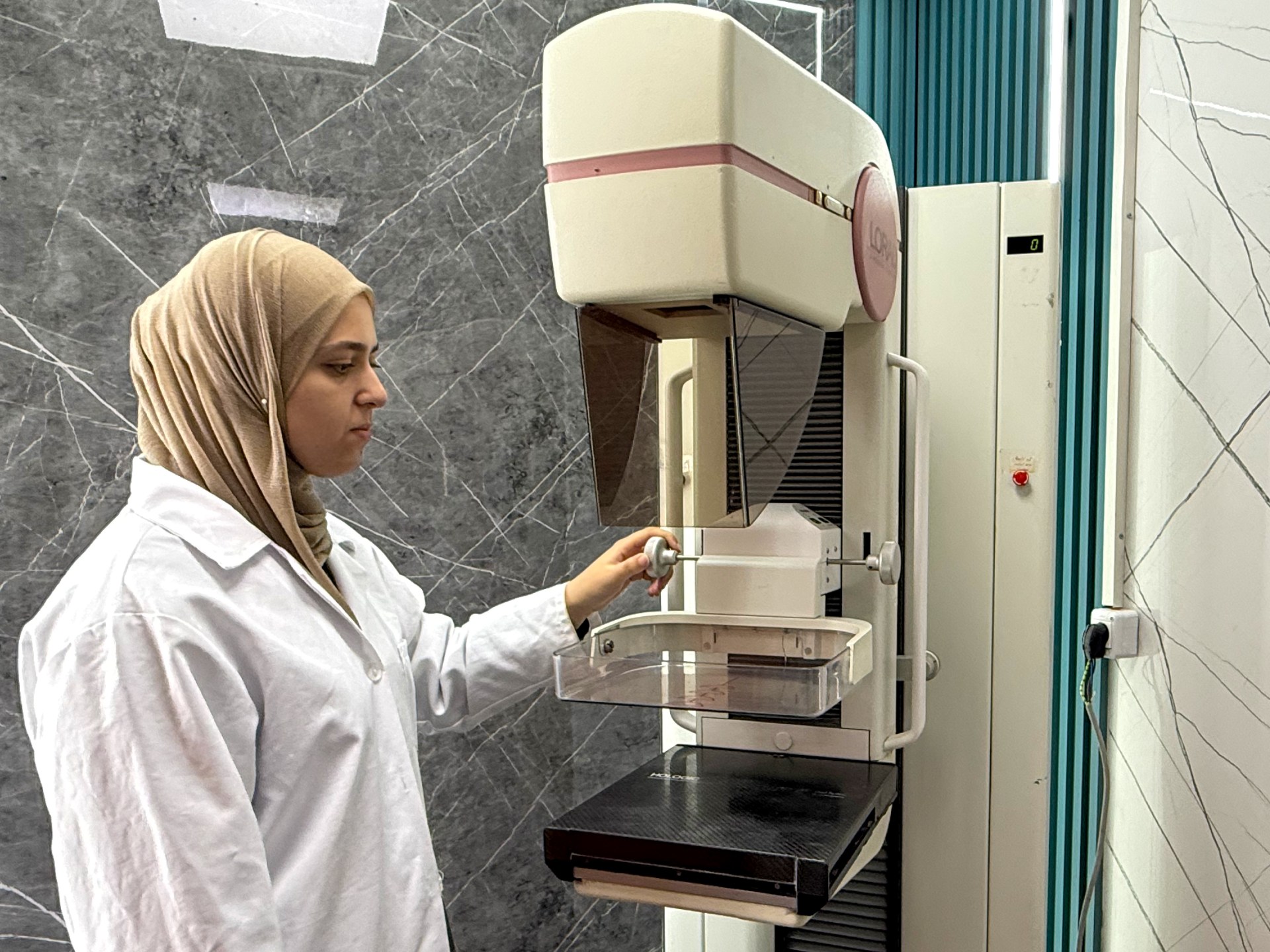
Women diagnosed with breast cancer in Gaza face mounting obstacles in accessing lifesaving treatment as the conflict and associated siege continue to disrupt healthcare infrastructure across the territory. Hospitals operating at reduced capacity, shortages of chemotherapy drugs, and the inability of patients to reach specialized oncology centers have created what medical professionals describe as a critical care gap.
Breast cancer patients requiring radiation therapy have been particularly affected, with treatment facilities either damaged or non-operational. Those needing chemotherapy face delays of weeks or months due to drug shortages and supply chain disruptions, allowing the disease to progress unchecked. Diagnostic imaging services have become similarly unavailable, preventing early detection and staging of new cases.
The situation has forced many women to forgo treatment entirely or seek care outside Gaza at great personal risk and expense. Healthcare workers report that patients are arriving at available facilities with advanced-stage cancers that could have been treated successfully if diagnosed and treated earlier.
International medical organizations have called for humanitarian corridors to allow cancer patients access to treatment facilities in neighboring countries and for increased supply of essential oncology medications into Gaza. The disruption of cancer care represents one of many public health consequences of the prolonged conflict.