World · World News Bureau
Gaza conflict fractures long-standing US political consensus on Israel
The humanitarian crisis in Gaza has upended decades of bipartisan political consensus in Washington, where criticism of Israeli policy was once considered a career-limiting position. The shift signals a fundamental realignment in how American lawmakers and voters approach Middle East policy.
LSN World News ·
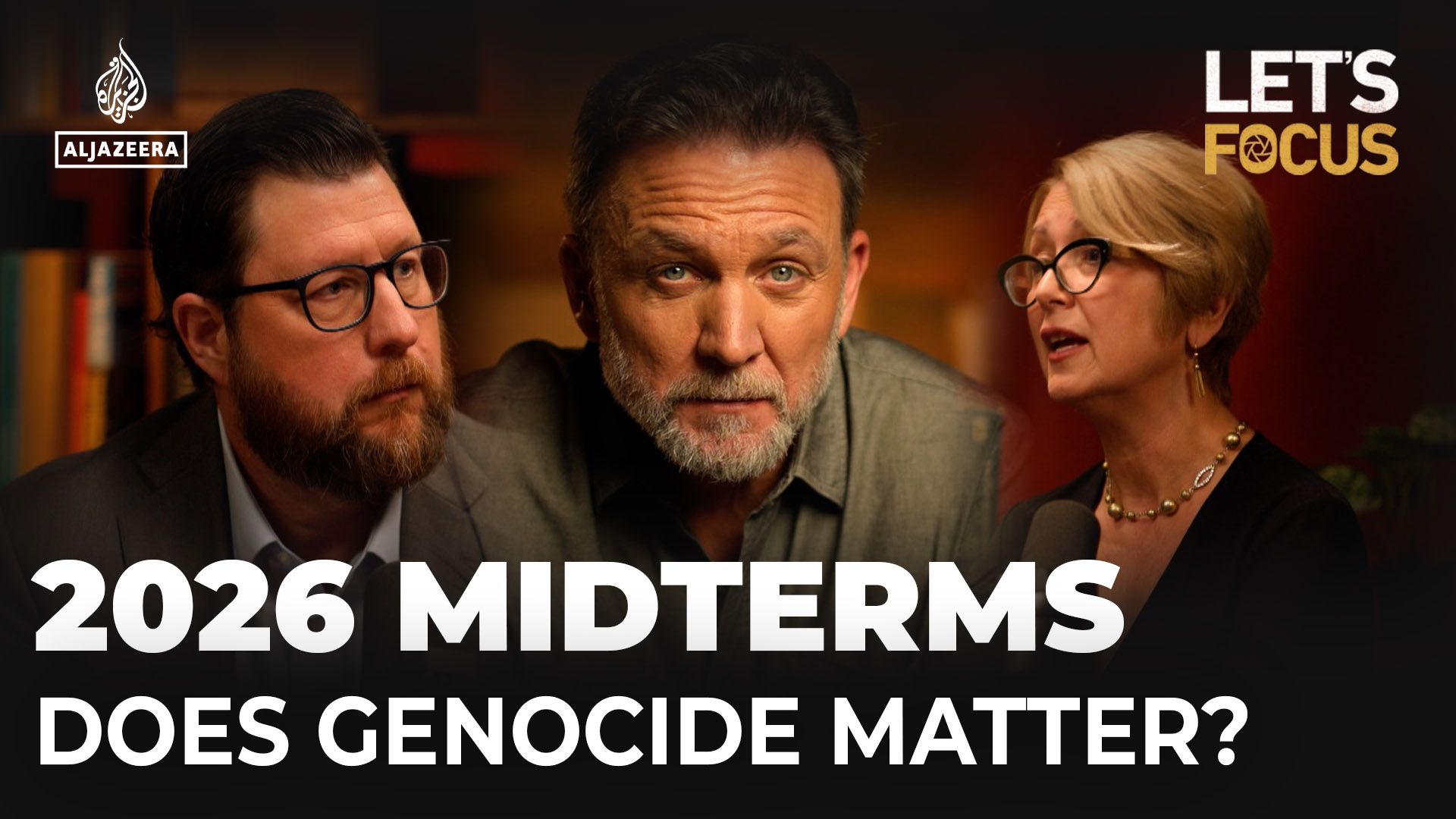
For generations, support for Israel operated as one of the few unquestioned pillars of American foreign policy, commanding backing from both major political parties and enjoying substantial public support. Criticism of Israeli actions faced significant political resistance, with those voicing concerns often marginalized in mainstream political discourse. That landscape has shifted markedly following the escalation of conflict in Gaza and the ensuing humanitarian toll.
The transformation reflects changing demographics, generational attitudes, and the mobilizing power of social media, which has brought images of civilian suffering to younger American voters in unprecedented ways. Congressional representatives once politically isolated for questioning Israeli policies now find themselves part of a larger cohort, particularly among younger Democrats. Public opinion surveys reveal significant generational divides, with younger Americans expressing greater concern about Palestinian casualties and humanitarian conditions.
The fracturing consensus extends beyond Capitol Hill to universities, cultural institutions, and grassroots movements, where pro-Palestinian activism has gained visibility and organizational capacity. Meanwhile, Israel's traditional supporters have mobilized to defend military operations and emphasize security concerns, intensifying what has become a more polarized domestic debate.
The long-term implications remain uncertain as policymakers navigate pressure from both sides. Whether this represents a temporary shift driven by immediate humanitarian concerns or a more durable recalibration of American Middle East policy will likely depend on developments on the ground and how political actors choose to respond to shifting public sentiment in coming months.