Politics · World News Bureau
Gaza conflict intensifies nationalist sentiment ahead of Israeli elections
Israel's upcoming election reflects a hardening of political positions following October 7, with voters signaling support for stronger security measures rather than diplomatic initiatives. The conflict has reshaped the electoral landscape around security concerns and military response.
LSN World News ·
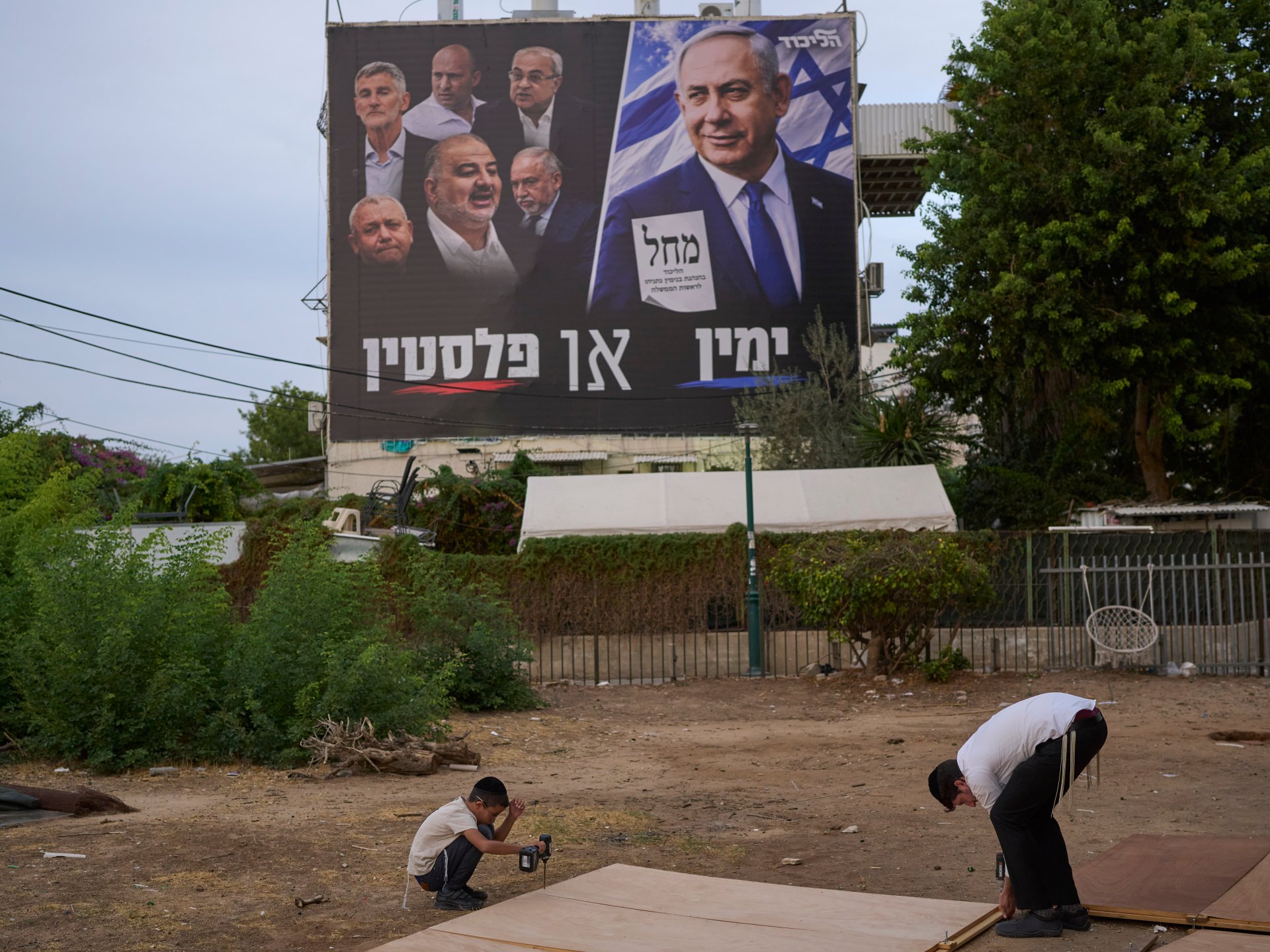
Israel's electoral dynamics have shifted markedly since the October 7 attacks, with voters increasingly gravitating toward candidates and parties emphasizing military strength and security over diplomatic solutions. The ongoing conflict in Gaza has become a defining issue shaping campaign platforms and political discourse, cementing nationalist and hawkish positions across much of the political spectrum.
Poll data and campaign messaging suggest that rather than demanding a change in direction, Israeli voters are consolidating support around parties advocating for continued military operations and hardline security policies. Major political figures have aligned their platforms with the security-first approach, acknowledging public sentiment that prioritizes defensive capabilities and military readiness.
The election reflects a broader polarization of Israeli society in the aftermath of the October 7 attacks. Traditional debates about settlements, territorial disputes, and peace negotiations have receded as immediate security concerns dominate voter priorities. This represents a significant departure from previous electoral cycles, where dovish and hawkish positions held more balanced sway among the electorate.
Analysts note that the electoral results will likely influence policy direction for months or years ahead. The consolidation of nationalist sentiment suggests that whoever leads the next government will face a population with strong support for military-focused approaches, potentially constraining diplomatic options in the region.