Business · World News Bureau
Gaza's banking collapse forces reliance on digital payments amid severe cash shortage
A combination of Israeli restrictions and war-related damage has triggered a liquidity crisis in Gaza, leaving residents and businesses increasingly dependent on unreliable digital payment systems as traditional banking infrastructure fails.
LSN World News ·
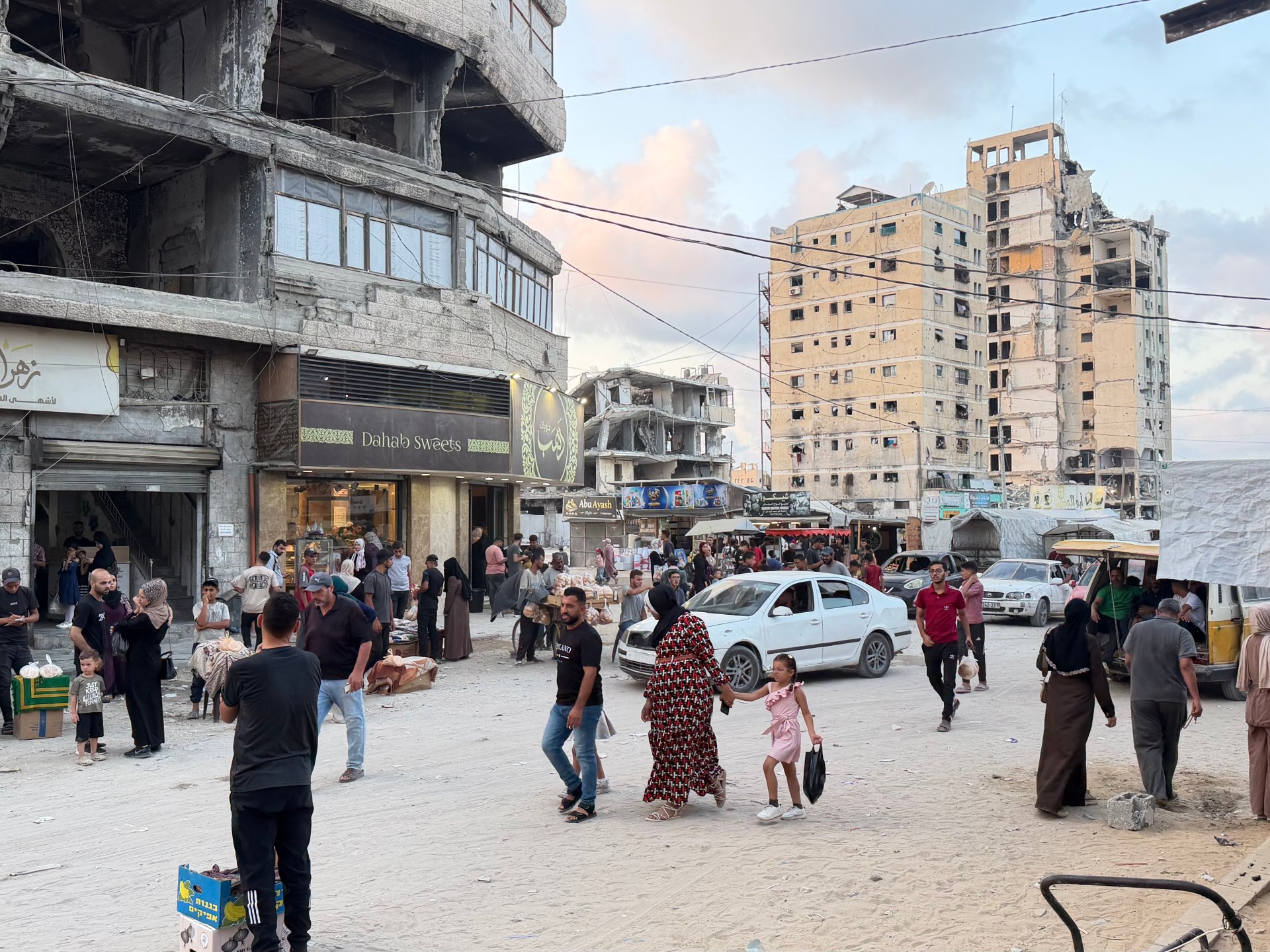
The Gaza Strip is experiencing an acute cash shortage that has effectively crippled conventional banking operations, forcing residents to turn to informal digital payment methods to conduct daily transactions. The crisis stems from compounding factors including Israeli-imposed restrictions on financial flows into the territory and extensive damage to banking infrastructure caused by ongoing conflict. With formal banking channels severely constrained, Palestinians in Gaza have little choice but to rely on online payment platforms that operate intermittently and with considerable risk.
The liquidity crisis has rippled through Gaza's economy, disrupting everything from retail commerce to essential service payments. Businesses struggle to process transactions while individuals face difficulties accessing their own funds, creating a precarious situation for an already vulnerable population. The absence of reliable cash circulation has forced many to adopt digital alternatives despite concerns about security, connectivity, and the stability of such platforms.
Banking sector officials have warned that the cash famine threatens economic activity across the territory. The inability to conduct normal financial operations has compounded hardships for residents already facing severe shortages of basic goods and services. Humanitarian organizations have expressed concern that the financial system's deterioration could worsen conditions for the civilian population dependent on both formal and informal economic channels for survival.
The situation underscores how military and political restrictions can destabilize financial systems beyond direct conflict zones, creating indirect humanitarian consequences that ripple through civilian life and economic functioning.