World · World News Bureau
Gaza's healthcare system remains in crisis one year after ceasefire
Despite a ceasefire agreement, Gaza's medical infrastructure continues to deteriorate due to ongoing violence, aid restrictions and delayed evacuations. Healthcare workers report the situation remains dire for the Palestinian population.
LSN World News ·
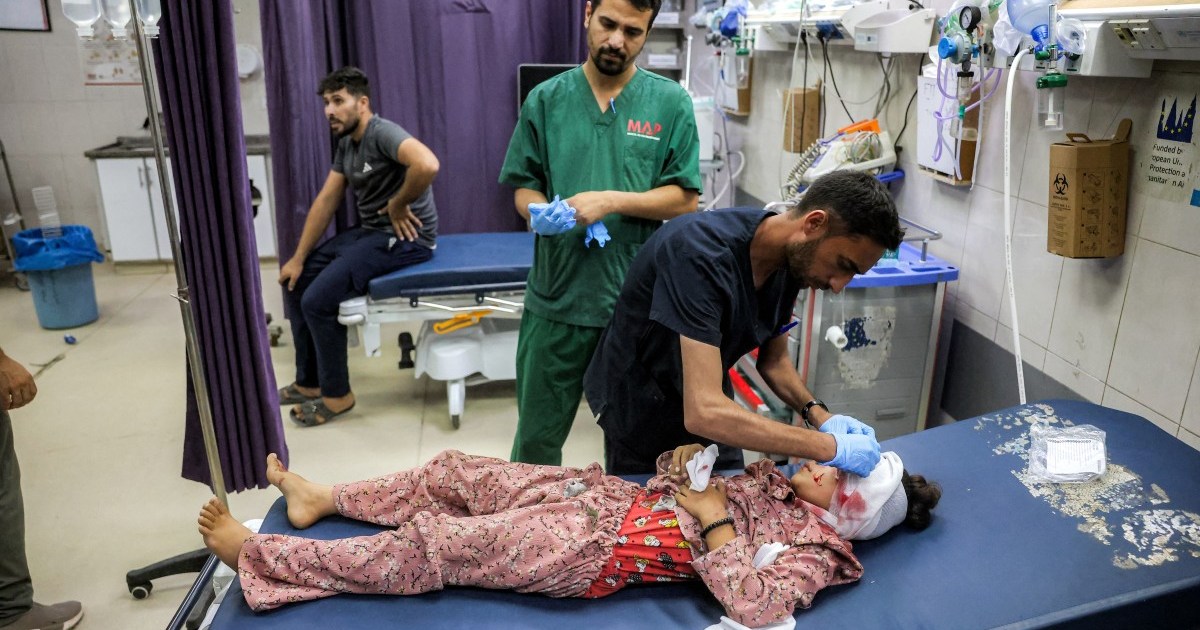
One year after a ceasefire was established, Gaza's healthcare system shows little sign of recovery, with medical facilities continuing to face severe constraints and operational challenges. Hospitals and clinics across the territory remain under strain from a combination of factors including sporadic security incidents, restrictions on the movement of medical supplies, and delays in evacuating critically ill patients for treatment outside Gaza.
The collapse of healthcare services has had profound consequences for the civilian population. Patients requiring specialized treatment have faced extended waits for evacuation, while routine medical care has become increasingly difficult to access. Healthcare professionals operating in the territory report shortages of essential medicines, equipment and personnel, hampering their ability to provide adequate care.
Restrictions on medical aid entering Gaza have compounded the crisis, with border crossings remaining subject to delays and bureaucratic hurdles. Humanitarian organizations working in the region have documented ongoing incidents that have damaged remaining medical infrastructure and deterred healthcare workers from maintaining normal operations.
International humanitarian agencies have called for immediate measures to stabilize the healthcare system, emphasizing that sustainable recovery requires unrestricted access for medical supplies, safe passage for patient evacuations, and guarantees of protection for medical facilities and personnel. Without such measures, health officials warn that preventable deaths among vulnerable populations will likely continue.