World · World News Bureau
Gaza's medical oxygen crisis deepens as generation stations fail
Only 12 of Gaza's 34 oxygen-generation facilities remain operational, leaving hospitals and patients dependent on dwindling cylinder supplies. The deteriorating infrastructure has intensified the health emergency in the blockaded territory.
LSN World News ·
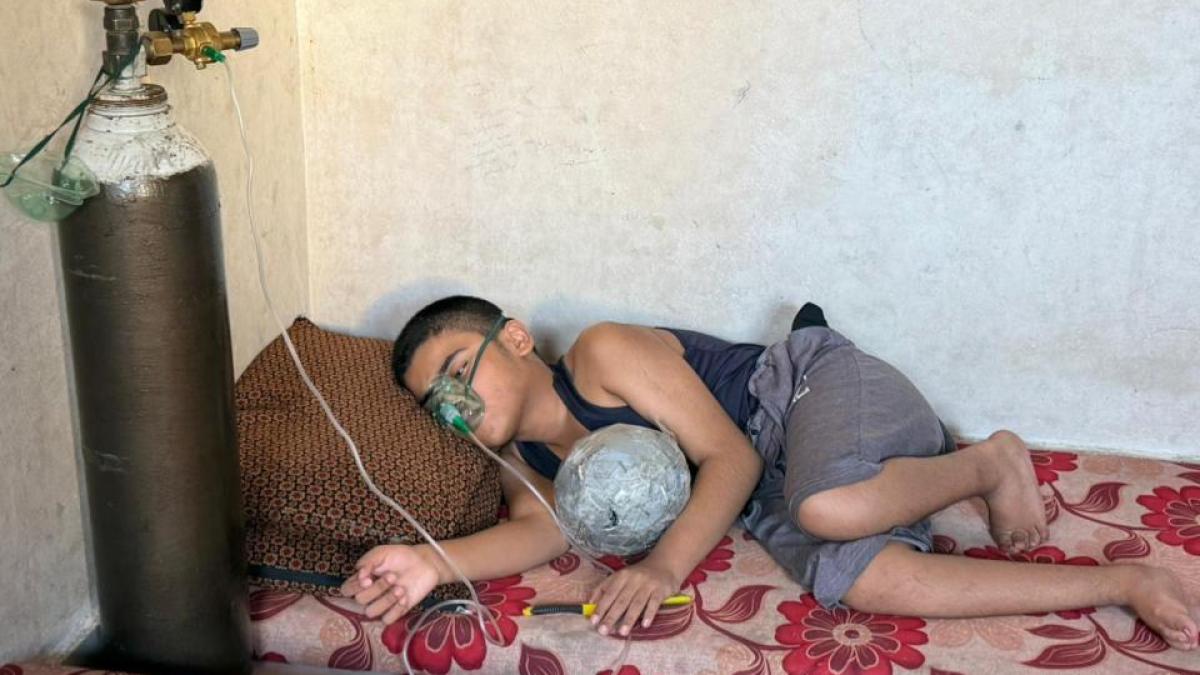
Gaza faces a critical shortage of medical oxygen as the majority of its oxygen-generation stations have ceased functioning, according to health officials monitoring the enclave's medical infrastructure. With just 12 of 34 facilities still operational, hospitals have become increasingly reliant on oxygen cylinders to treat patients, straining already limited supplies.
The collapse of generation capacity has created cascading effects across Gaza's health system. Medical facilities treating respiratory patients, trauma victims, and those requiring intensive care have had to ration oxygen or divert patients as cylinder stocks deplete. The crisis compounds existing challenges facing Gaza's healthcare system, which has deteriorated significantly under the strain of ongoing conflict and blockade conditions.
Oxygen generation stations require consistent electricity, spare parts, and maintenance to function effectively. The loss of three-quarters of these facilities suggests systemic failures in power supply, supply chains, or infrastructure damage. Officials have warned that without rapid intervention to restore operational capacity or establish alternative supply mechanisms, the shortage could prove life-threatening for vulnerable patient populations.
The oxygen crisis underscores the broader humanitarian challenges facing Gaza's medical sector, where shortages of fuel, medications, and equipment have become endemic. Health authorities continue to appeal for international assistance and corridors to import essential medical supplies and equipment needed to restore functional capacity.