Business · World News Bureau
Gaza's tech students battle equipment shortages amid infrastructure collapse
Young Palestinians in Gaza are struggling to maintain their IT education despite severe equipment shortages resulting from years of conflict and destruction. The territory's information technology sector faces an uncertain future as students work to preserve their technical skills amid deteriorating conditions.
LSN World News ·
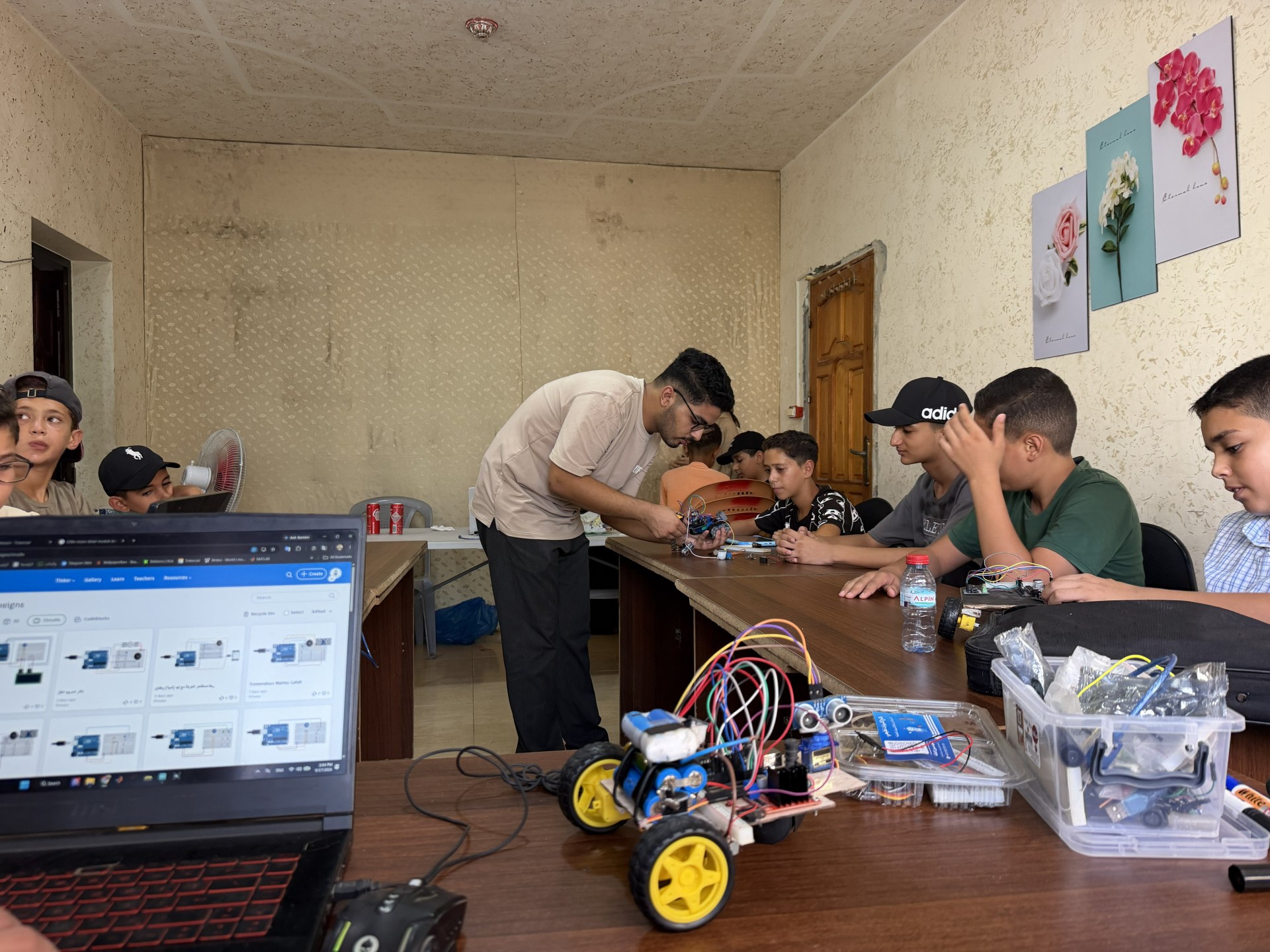
Students pursuing careers in information technology across Gaza are confronting unprecedented obstacles as the sector grapples with the aftermath of sustained military operations that have ravaged the territory's infrastructure. Computer labs have been destroyed, internet connectivity remains unreliable, and access to essential hardware has become increasingly difficult, forcing aspiring tech professionals to find creative workarounds to continue their studies.
The damage to Gaza's IT industry extends beyond physical destruction, affecting the broader educational ecosystem that feeds the sector. Universities and training institutions lack the resources to maintain laboratories and provide hands-on experience that technical education requires. Many students have resorted to sharing limited equipment or relying on older machines salvaged from functioning facilities.
Despite these formidable challenges, young Palestinians remain determined to pursue technology careers. Educational institutions are adapting curricula where possible and educators are innovating with whatever resources remain available. However, experts warn that prolonged equipment shortages and infrastructure deficits threaten to create a skills gap that could hamper Gaza's economic recovery for years to come.
The situation underscores the broader impact of conflict on human capital development in the territory. As international attention focuses on reconstruction efforts, technology sector advocates argue that supporting educational infrastructure and equipment procurement should remain a priority for ensuring the region's long-term development prospects.