World · World News Bureau
Gaza's trajectory unlikely to hinge on Hamas's political fate
Analysis suggests that regardless of Hamas's institutional standing, the trajectory of Gaza's governance and reconstruction will be determined by broader regional and international dynamics. Experts contend that the Palestinian territory's future depends more on economic conditions, security arrangements, and diplomatic initiatives than on any single faction's political fortunes.
LSN World News ·
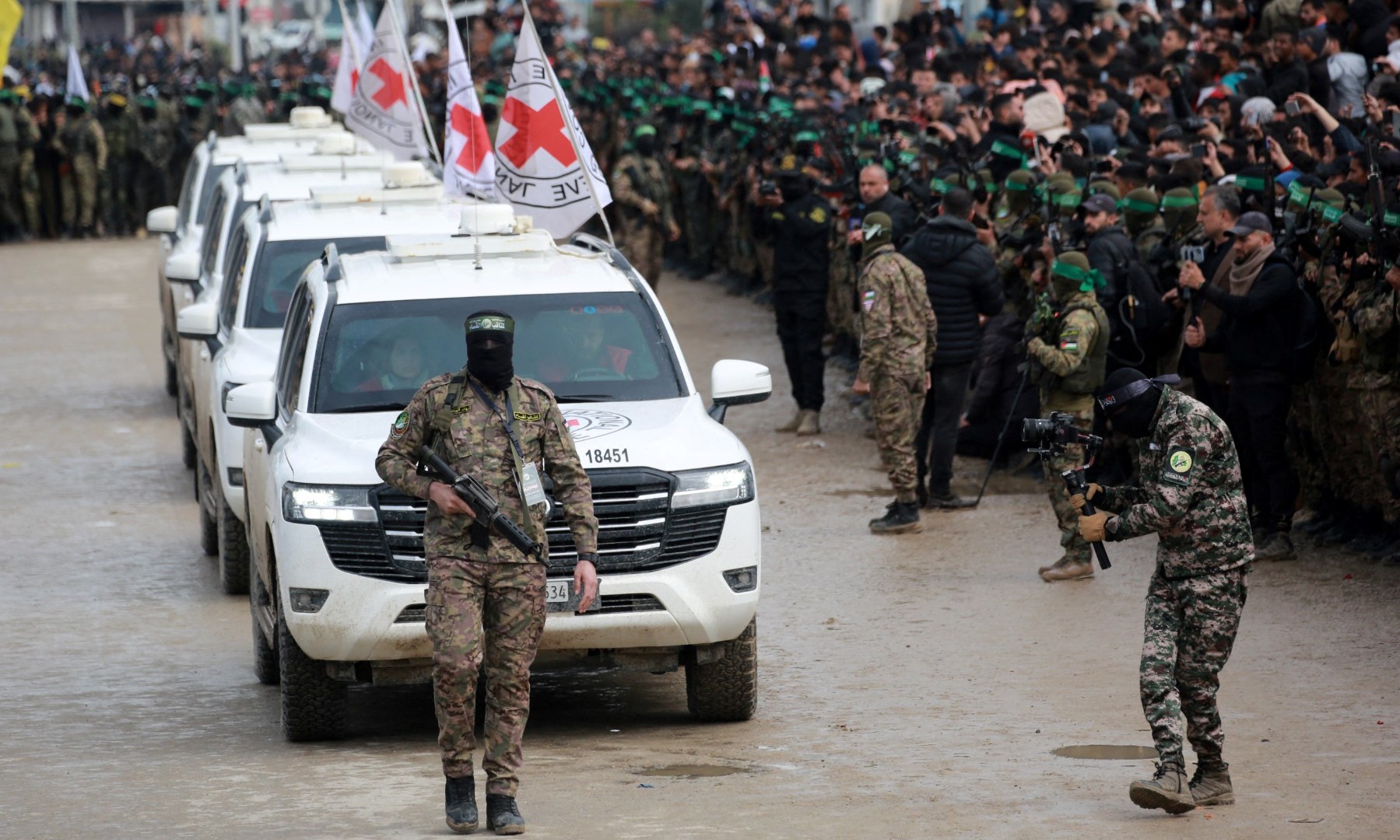
Hamas's continued role in Gaza governance has long been central to regional geopolitical calculations, yet political observers increasingly argue that the organization's institutional fate may matter less than previously assumed for determining the territory's long-term trajectory. Whether Hamas maintains administrative control, shares authority with rival Palestinian factions, or cedes power entirely, the fundamental challenges facing Gaza—economic reconstruction, humanitarian needs, and security stabilization—will persist and demand resolution regardless of which actors hold formal authority.
The underlying determinants of Gaza's future lie in factors largely beyond any single Palestinian faction's control. International investment decisions, regional security arrangements, and the broader Israeli-Palestinian political landscape will significantly shape whether Gaza experiences economic recovery or continued stagnation, whether reconstruction efforts gain momentum or falter, and whether civilian populations see tangible improvements in living standards. External actors, including neighboring states, international donors, and regional powers, wield considerable influence over resource flows and security arrangements.
Local governance capacity, humanitarian access, and institutional development will prove equally consequential as factional affiliations in determining Gaza's near and medium-term prospects. Reconstruction requires sustained coordination across multiple administrative and security agencies, effective public service delivery, and functional markets—prerequisites that transcend the ideological or organizational identities of those nominally in charge. Security experts note that stabilization efforts depend on establishing predictable governance structures and restrained use of force, conditions that may be achievable through various political configurations.
Analysts suggest that international and regional stakeholders should direct attention toward specific governance outcomes and institutional arrangements rather than fixating solely on which faction occupies formal leadership positions. The evidence from comparable post-conflict situations indicates that institutional effectiveness, transparent resource management, and security sector coordination matter substantially more than the political brand of those implementing these functions.