Business · Bangladesh Bureau
Gazipur garment workers block two highways in protest at new Tk17,000 minimum wage
Police fired tear gas and sound grenades as workers rejecting the wage board's decision blocked the Dhaka-Tangail and Dhaka-Mymensingh highways, and dozens of factories shut for the day.
LSN Bangladesh ·
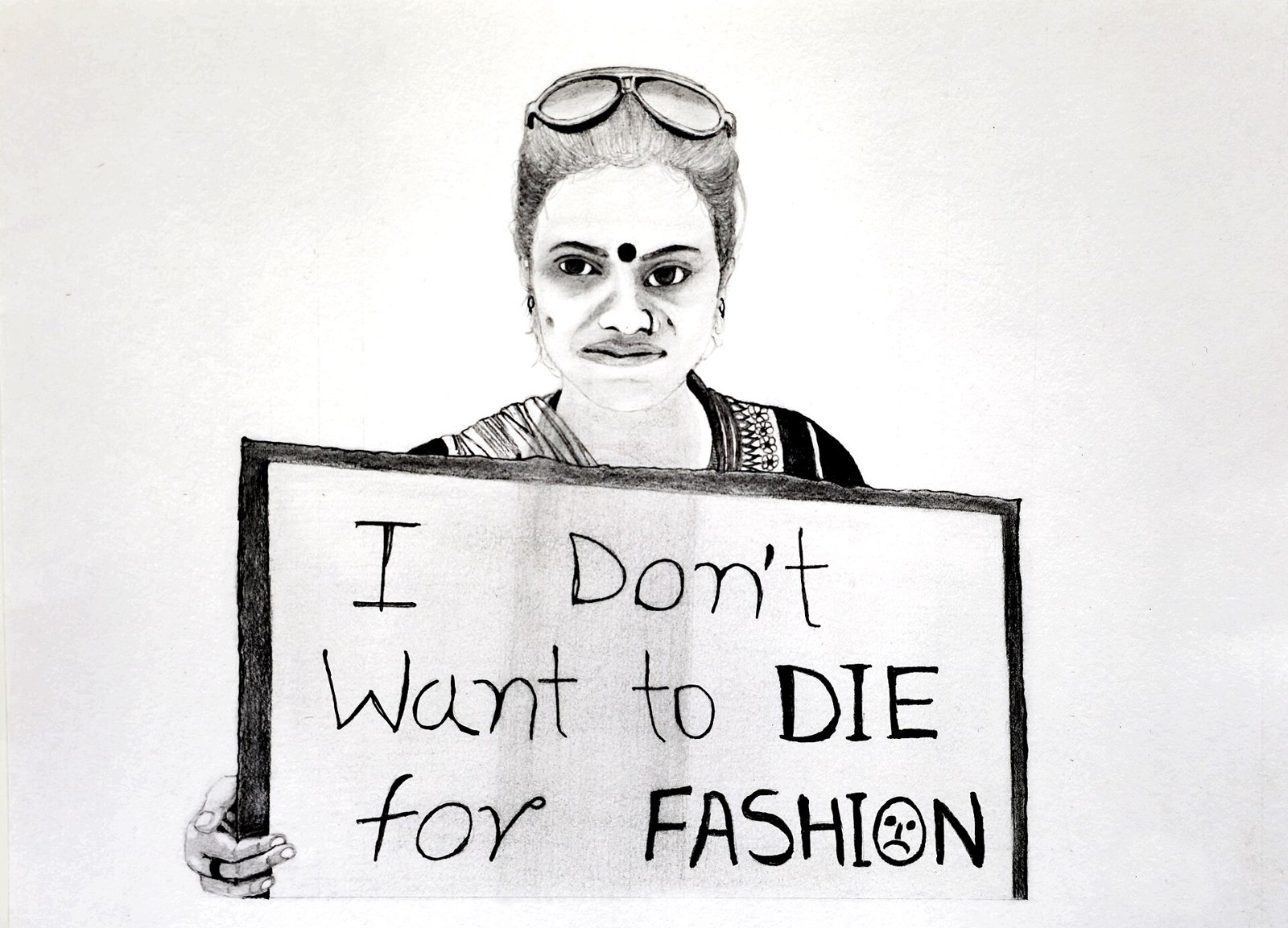
<p>Garment workers in Gazipur, north of Dhaka, blocked the Dhaka-Tangail and Dhaka-Mymensingh highways on Wednesday (25 November) in protest at the new minimum wage of Tk17,000, only hours after the wage board announced it, The Business Standard and the Daily Sun reported.</p>
<p>Police fired tear gas and sound grenades to clear the roads, according to both newspapers. Workers from several factories refused to start work in the morning and took to the highways at Naojor on the Dhaka-Tangail road and at Bhogra and Bhabanipur on the Dhaka-Mymensingh road, halting traffic. After being dispersed, they regrouped and blocked the roads again at other points, the Daily Sun reported.</p>
<p>The Business Standard, citing police and eyewitnesses, said some workers threw bricks and stones at police who moved in to reopen the roads. It also reported protests in the Sataish area of Tongi and on Ansar Road in Sreepur.</p>
<p>Mohammad Amzad Hossain, superintendent of Gazipur Industrial Police-2, said sporadic protests were continuing at several locations and that police had dispersed workers through talks in some places and by force in others, The Business Standard reported. By 10am, 20 factories had declared a general holiday and 35 remained shut indefinitely, he told the paper. The Daily Sun reported that 15 factories in the district had announced closures.</p>
<p>The Minimum Wage Board set the new pay structure in the early hours of Wednesday after a session of nearly 12 hours. With no consensus, members voted four to two for Tk17,000 for entry-level grade four workers, a rise of Tk4,500, or 36 per cent, from the current Tk12,500. The two workers' representatives had backed Tk18,000. The new structure is due to take effect from 1 December, subject to approval by the Ministry of Labour and Employment, with the first pay under it expected in January, The Business Standard reported.</p>
<p>The decision has divided workers. Some said they would accept it after weeks of factory closures and lost wages, while others, including those who had demanded Tk30,000 from the start of the dispute, said it was not enough to cover rising rent, food, healthcare and transport costs.</p>
<p>The garment industry, Bangladesh's largest export earner, has been hit by weeks of wage unrest in Gazipur, Savar and Ashulia. The Bangladesh Garment Manufacturers and Exporters Association said earlier this week that the disruption had cost factories an estimated $428 million.</p>