World · India Bureau
Gen Z embraces 'de-influencing' trend, challenging consumption culture
A counter-movement is gaining traction among India's Gen Z users, with content creators highlighting the drawbacks of viral and expensive products while promoting affordable alternatives. The trend aims to encourage mindful purchasing based on actual needs rather than aspirational marketing.
LSN India ·
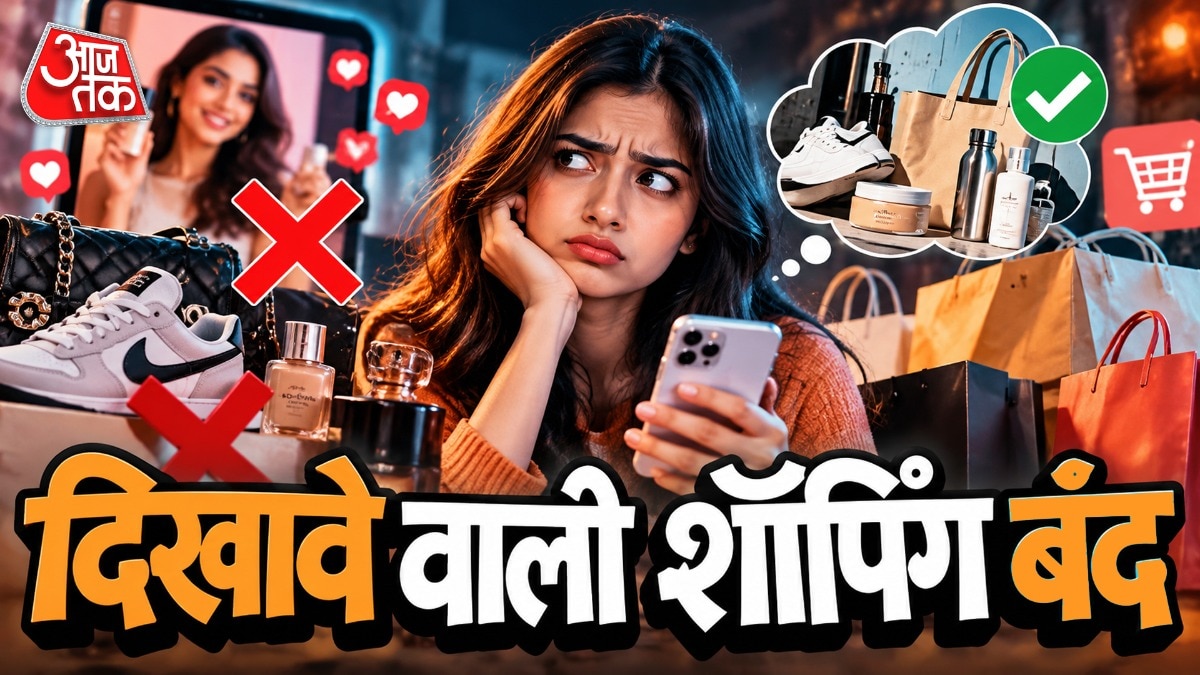
While traditional influencers promote expensive and trending products across social media platforms, a new phenomenon called 'de-influencing' is reshaping how younger consumers approach purchasing decisions. The movement has emerged as Gen Z pushes back against mainstream consumer culture, with creators actively discouraging followers from buying hyped-up commodities.
In de-influencing content, creators transparently discuss the limitations and shortcomings of popular products that have achieved viral status. Rather than simply recommending expensive alternatives, these content creators suggest budget-friendly options that deliver comparable quality or functionality. The approach represents a fundamental shift in how digital creators engage with their audiences.
The core objective of de-influencing is to motivate consumers to make purchasing decisions based on personal requirements and financial capacity, rather than following trends or seeking validation through consumption. By questioning the value proposition of costly items, creators encourage their followers to evaluate whether products genuinely meet their needs.
This movement reflects broader concerns among Gen Z about sustainability, financial prudence, and resistance to performative consumption. As de-influencing content continues to circulate across social media platforms, it signals a growing awareness among younger Indians about making conscious choices in an increasingly commercialized digital landscape.