World · India Bureau
Gen Z embraces 'era' language to chronicle life's shifting phases
From 'soft girl era' to 'healing era', Gen Z has adopted the term 'era' as a defining linguistic tool to categorize and express distinct phases of their lives. The digital-native generation's preference for labeling personal transitions reflects broader patterns in how youth navigate identity and self-expression online.
LSN India ·
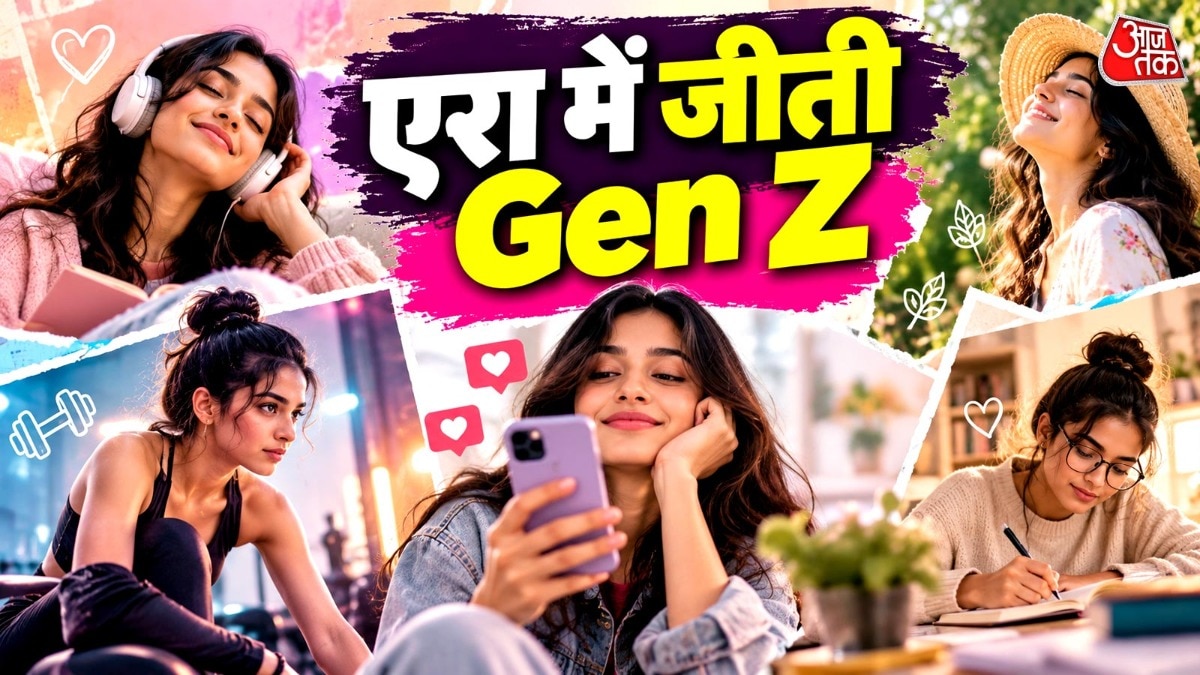
Gen Z has transformed the word 'era' from a historical chronology term into a personal narrative device, applying it to describe everything from fashion choices and emotional states to wellness pursuits and romantic phases. The trend encompasses labels such as 'soft girl era', 'healing era', 'fitness era', and 'self-love era'—each representing a distinct period of identity exploration or lifestyle commitment.
Language experts suggest the phenomenon reflects how Gen Z, having grown up immersed in digital culture, naturally gravitates toward concise, shareable terminology that condenses complex personal experiences into memorable, communicable units. The 'era' framework allows young people to externalize internal transitions and invite others into their evolving narratives through social media platforms designed around constant updates and reinvention.
The practice also speaks to a broader cultural shift wherein younger generations increasingly view life not as a linear progression but as a series of curated chapters, each worthy of naming and documentation. This approach to self-categorization serves multiple functions: it provides psychological closure to previous phases while signaling intentionality about new directions. The language choice democratizes personal branding, enabling ordinary individuals to narrate their lives with the gravitas typically reserved for historical periods or celebrity timelines.
Psychologists note that the habit of naming life phases may offer young people a sense of agency and control in an unpredictable world, allowing them to frame transitions as deliberate choices rather than chaotic changes. Whether this trend represents deeper generational psychology or remains a passing linguistic quirk continues to intrigue observers of youth culture and digital communication patterns.