World · India Bureau
Gen Z Grapples with Gandhi's Relevance in Modern India
Young Indians are engaging thoughtfully with Mahatma Gandhi's enduring legacy, weighing his principles of non-violence and truth against contemporary challenges. While his ideas continue to resonate, today's generation is also critically examining aspects of his philosophy that they believe require reinterpretation.
LSN India ·
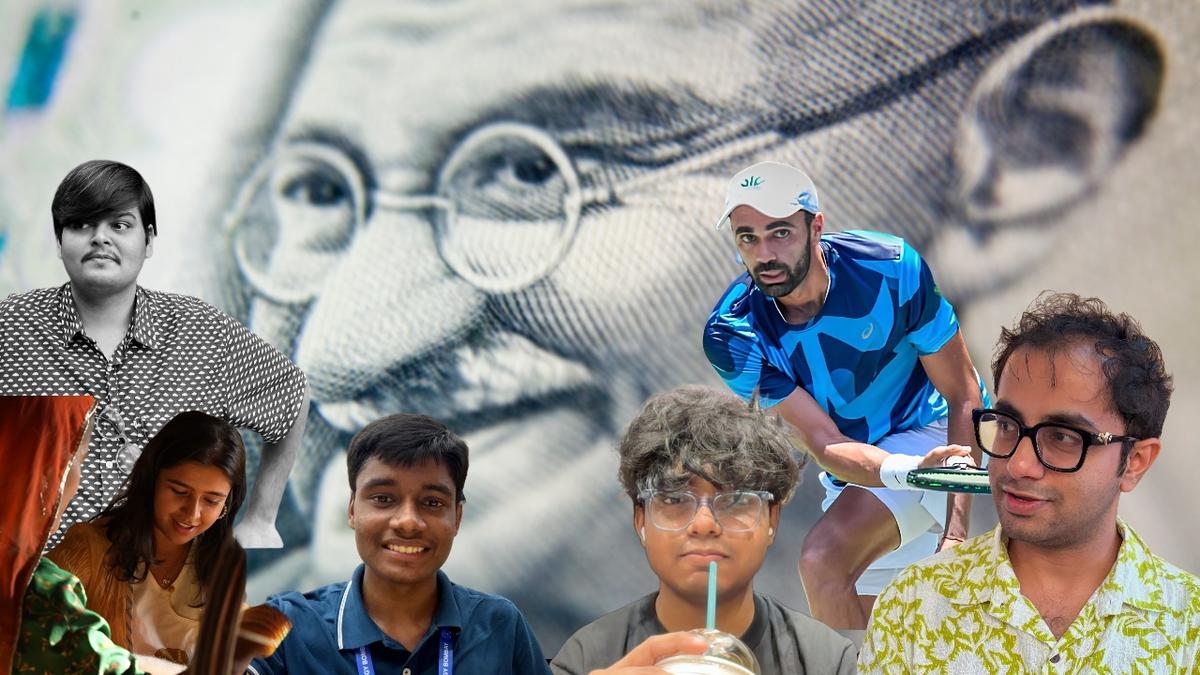
Decades after India's independence, the teachings of Mohandas Karamchand Gandhi remain influential across the nation, though younger generations are approaching his life and work with a more analytical lens. Generation Z is not dismissing the Father of the Nation's contributions, but rather questioning how his core principles might address 21st-century issues ranging from digital activism to social inequality.
The philosophy of satyagraha and ahimsa, which underpinned Gandhi's non-violent resistance movement, continues to hold appeal for many young Indians seeking ethical frameworks for social change. However, contemporary youth are also examining aspects of Gandhi's personal life and some of his positions that they believe warrant critical scrutiny in today's context.
This generational dialogue reflects a broader pattern in India where historical figures are being reassessed through modern perspectives. Young people are asking not whether Gandhi's ideas remain relevant, but how they might be adapted or reimagined to address current challenges such as climate change, communal tensions, and economic justice.
The ongoing conversation demonstrates that Gandhi's influence extends beyond historical reverence into practical discussions about activism, ethics, and social responsibility. For Gen Z, engaging with Gandhi's legacy represents an effort to honor his contributions while advancing their own visions for India's future.