World · India Bureau
Gen Z Professional Pledges Better Workplace Culture After Sharing Workplace Struggles
A Gen Z employee has highlighted workplace challenges including invasive questioning about personal matters and after-hours work expectations, vowing to foster a more respectful organizational culture as a future leader.
LSN India ·
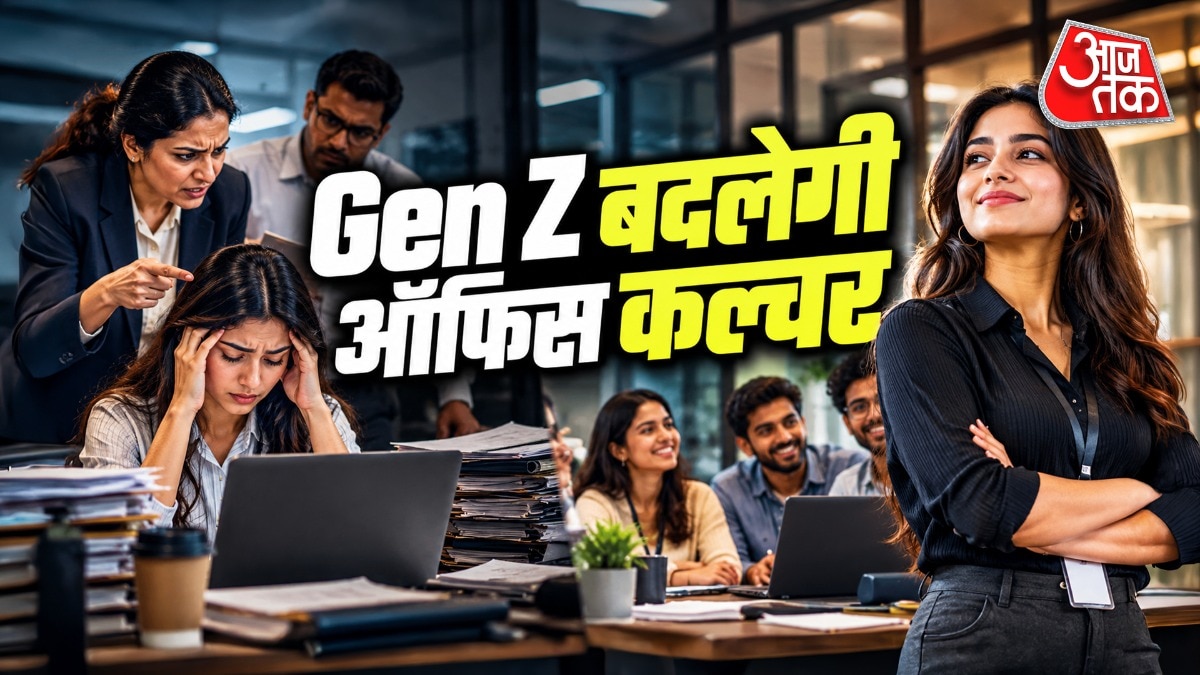
A young professional from India's Gen Z cohort has opened up on social media about persistent workplace difficulties that underscore generational tensions in the country's corporate sector. The employee described experiencing intrusive inquiries into personal life decisions and medical matters from senior colleagues, alongside an expectation to remain available for work-related tasks beyond standard office hours.
The account reflects broader frustrations within India's younger workforce regarding management practices that blur professional and personal boundaries. Senior staff frequently questioned subordinates about their personal circumstances and health conditions, the professional noted, while maintaining an implicit expectation of continuous availability that extended well into personal time.
The Gen Z worker expressed a commitment to reimagining workplace dynamics, stating that upon assuming leadership positions, she would ensure employees are treated with greater dignity and respect. The pledge underscores a generational shift in attitudes toward organizational culture, with younger professionals increasingly vocal about establishing clearer boundaries between professional obligations and personal autonomy.
The incident reflects ongoing discussions within India's corporate environment about modernizing management practices to align with evolving expectations around work-life balance and employee well-being. As Gen Z workers begin entering leadership roles, workplace culture reform has emerged as a priority for many professionals who have experienced what they characterize as outdated and invasive management approaches.