Business · India Bureau
Gen Z redefines Indian consumption with minimalism, Asian pop culture
Younger Indian consumers are upending traditional spending patterns through a preference for frugality, sustainability and Japanese-Korean cultural influences, fundamentally challenging established retail and brand strategies across the subcontinent.
LSN India ·
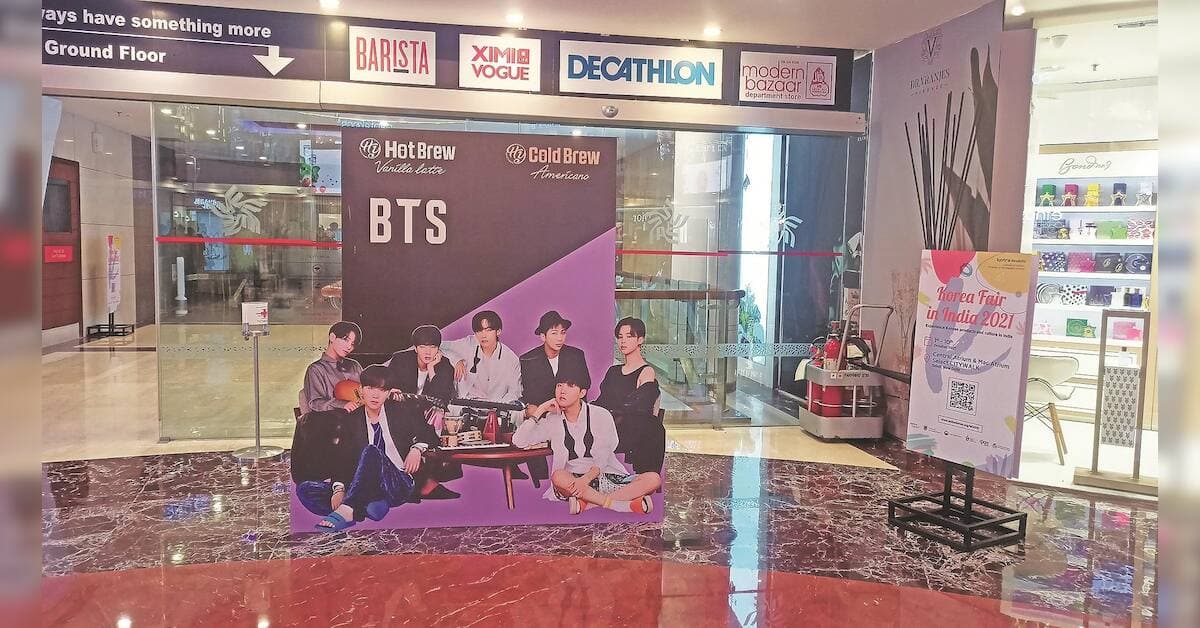
India's youngest demographic cohorts are reshaping the nation's consumption landscape in ways that diverge sharply from previous generational patterns, prioritizing mindful spending and environmental consciousness over conspicuous consumption. The shift reflects a broader realignment of cultural values among Gen Z and Gen Alpha populations, who are increasingly influenced by minimalist philosophies and Asian entertainment trends, particularly from Japan and South Korea.
This emerging consumer behavior is driven by multiple factors, including climate awareness, economic pragmatism, and the global reach of Korean pop music and Japanese aesthetic movements. The demographic's embrace of secondhand markets, rental platforms, and sustainable product alternatives signals a departure from the brand loyalty and status-driven purchasing that characterized earlier Indian consumer generations.
The trend presents a significant challenge for traditional retailers and multinational brands accustomed to growth models predicated on escalating consumption levels. Companies across fashion, consumer goods, and entertainment sectors are being forced to recalibrate their approaches to appeal to a generation that values authenticity, sustainability, and cultural relevance over premium pricing or aspirational branding.
Industry analysts note that this generational shift may have lasting implications for India's retail ecosystem, supply chains, and advertising strategies. Brands that successfully adapt to emphasize sustainability, affordability, and cultural alignment with Asian influences are positioning themselves favorably for long-term engagement with the Indian market's growing youth demographic.