Politics · India Bureau
Gen Z's Irreverence Signals Democratic Health, Says Former Judge
Former High Court judge Justice Muralidhar has characterised the questioning attitude of Gen Z as a positive indicator of democratic progress in India. Speaking at a public lecture, he urged the current judiciary to act decisively against serious state overreach to strengthen the institution for 2047.
LSN India ·
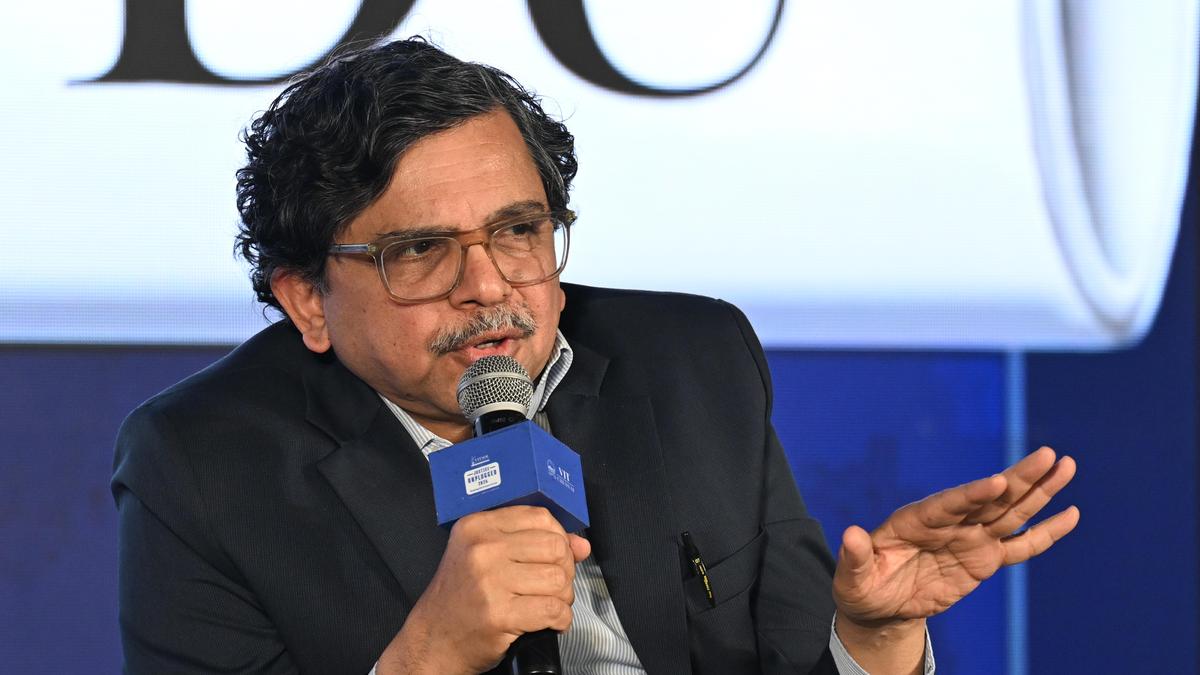
In an address at the D.S. Borker Memorial Lecture themed 'My Vision of India 2047', Justice Muralidhar presented an optimistic view of generational attitudes toward governance and institutional accountability. The former High Court judge described the irreverent stance of Generation Z towards established structures not as a threat to democratic norms, but as evidence that India's democratic institutions are functioning as intended.
Justice Muralidhar emphasised that a vibrant, questioning citizenry reflects the health of a democracy rather than signalling its weakness. He noted that such civic engagement and scrutiny of power structures are essential components of democratic participation and institutional checks.
Addressing the future trajectory of India's judiciary, Justice Muralidhar outlined specific priorities for the judicial system leading up to 2047. He stressed that contemporary judges must demonstrate responsiveness and expeditious action when confronted with allegations of serious state excesses and overreach. Such swift judicial intervention, he argued, would strengthen public confidence in the institution and its role as a guardian of constitutional rights.
The judge's remarks reflected broader concerns within India's legal and civil society circles regarding the pace of judicial redressal and the judiciary's role in checking executive power. His comments suggest that institutional reform and responsive governance will be critical for India's democratic maturation in the coming decades.