World · India Bureau
Gen Z Workers Bristle at Common Managerial Phrases, Study Finds
Young employees in India prioritize workplace respect, work-life balance, and career development over salary alone, according to workplace culture observations. Certain management clichés and dismissive remarks are proving particularly unpopular with Generation Z workers.
LSN India ·
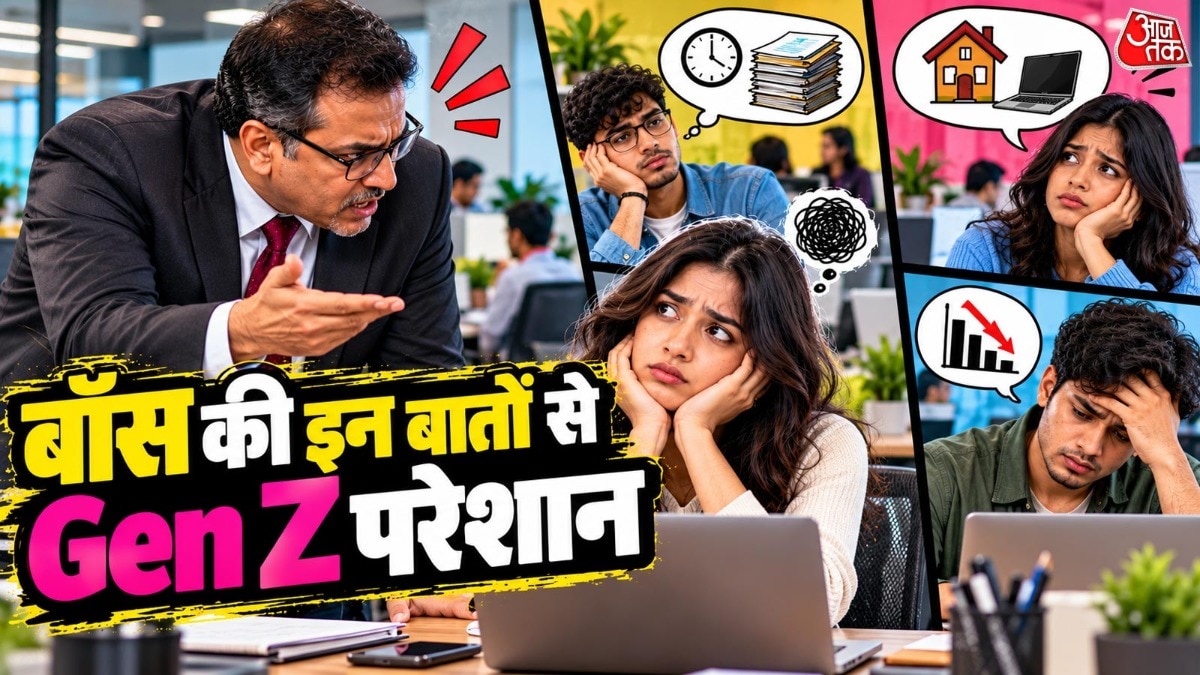
Generation Z employees entering the Indian workforce have distinctly different expectations from their managers compared to previous generations, with several common managerial statements and approaches generating significant frustration among younger workers.
Young professionals increasingly view the workplace as a transactional environment rather than an extension of family, and statements framing the office as a familial unit tend to alienate Gen Z workers. Similarly, remarks suggesting youth workers are inexperienced or too junior to contribute meaningfully are counterproductive, as this demographic seeks recognition for their capabilities and perspectives from the outset.
The generational cohort prioritizes work-life balance alongside professional development and respectful treatment from supervisors. Management approaches that dismiss these concerns or suggest that career ambition requires sacrifice of personal time are viewed as outdated and increasingly unacceptable to younger talent. Condescending language about age or experience levels also undermines manager-employee relationships in ways that older generations may have tolerated.
Workplace culture experts note that retention of Gen Z talent depends on managerial communication that acknowledges their contributions, respects personal boundaries, and demonstrates genuine investment in their career progression. Organizations failing to adapt their management philosophy to these expectations face significant challenges in attracting and retaining younger employees in India's competitive job market.