World · Bangladesh Bureau
Gender discrimination in South Asia shows worrying upward trend
Women across South and Southeast Asia are encountering increased discrimination in employment, education, and access to public services. The trend suggests a reversal of gradual progress made in recent years toward greater gender parity in the region.
LSN Bangladesh ·
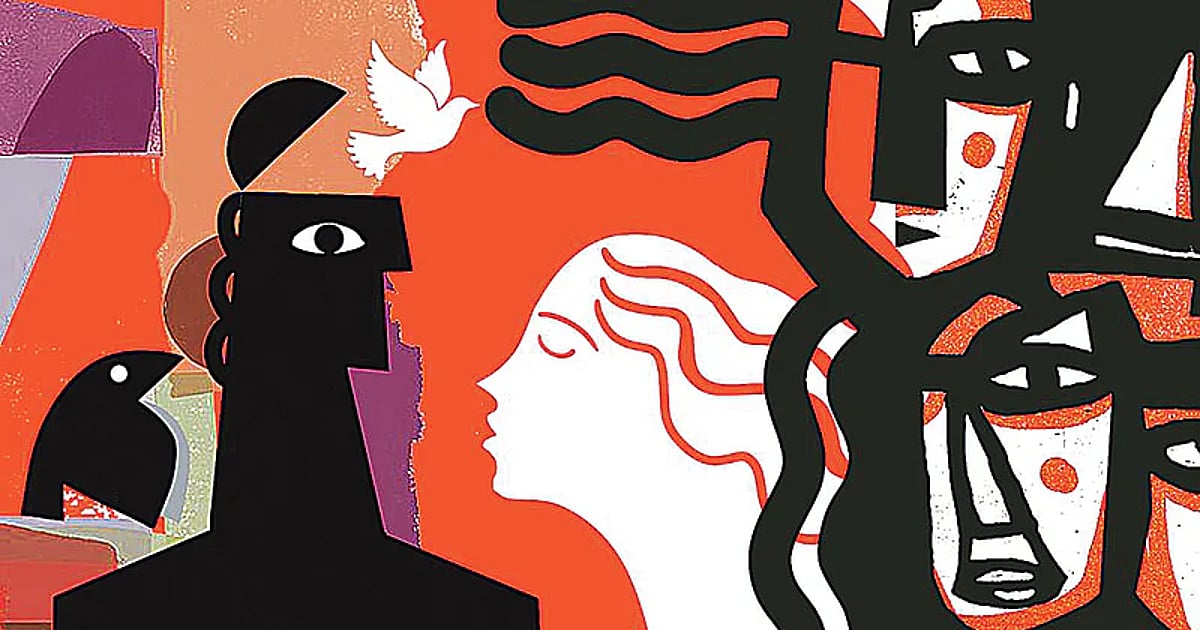
Women across South and Southeast Asia are encountering increased discrimination in employment, education, and access to public services, according to emerging data from civil society organizations and government agencies. The trend suggests a reversal of gradual progress made in recent years toward greater gender parity in the region. In Bangladesh, women continue to face barriers in the workplace, where wage gaps persist and advancement opportunities remain limited. Educational access has improved, yet gender-based violence and harassment in institutional settings remain significant challenges. Legal protections exist in many countries, but implementation gaps and social attitudes continue to undermine their effectiveness. Activists and human rights groups attribute the rise partly to economic pressures and shifting social dynamics in the post-pandemic period. They call for stronger enforcement of existing laws and renewed commitment from governments to address systemic inequalities. Women's organizations in the region are intensifying advocacy efforts to combat discrimination and ensure equal opportunities in employment, education, and political participation. The issue has garnered attention from regional development agencies and international organizations monitoring progress toward sustainable development goals.