World · India Bureau
Gender equality debate intensifies as Karva Chauth tradition questioned
As women across India observe Karva Chauth, discussions about gender equality within traditional fasting practices have gained momentum. Observers argue that while festivals should be celebrated voluntarily, critical examination of customs that perpetuate inequality remains essential.
LSN India ·
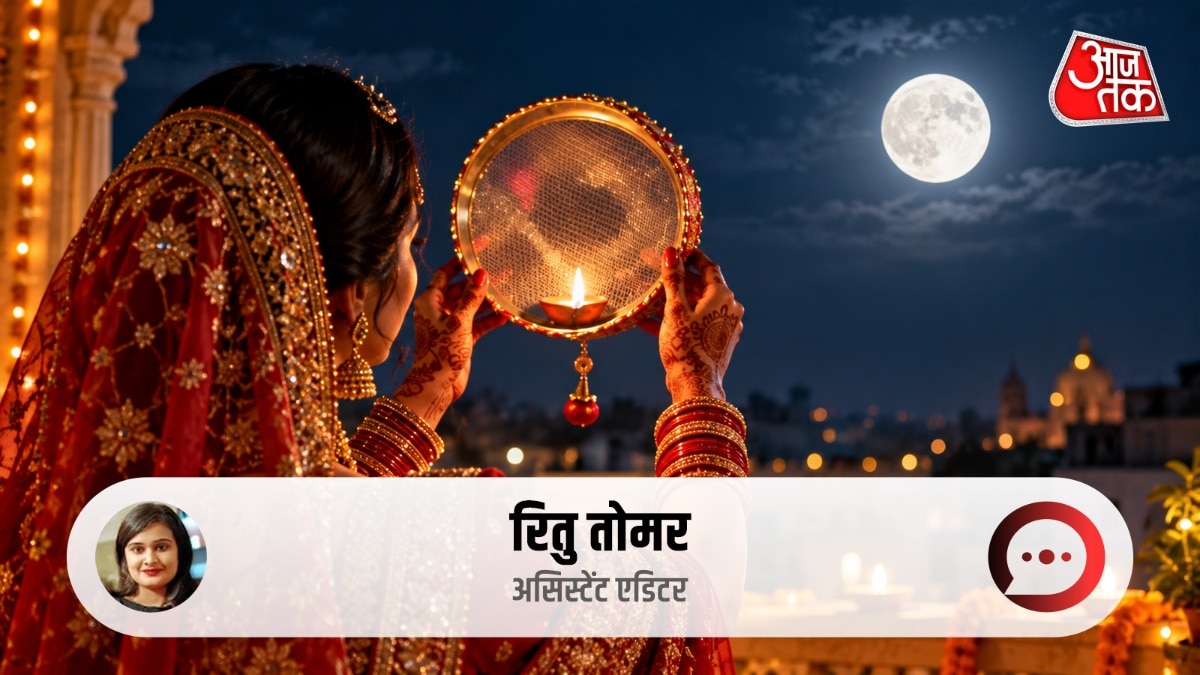
Karva Chauth, the traditional festival observed primarily by married women who fast for the longevity and well-being of their husbands, continues to spark broader conversations about gender dynamics in Indian society. While the festival remains widely celebrated, questions about its alignment with modern principles of equality are increasingly being raised.
Advocates for critical examination argue that voluntary participation in cultural festivals need not preclude questioning their underlying premises. They contend that individuals should have complete freedom to observe or abandon traditions according to personal choice, without societal pressure or expectation.
The debate reflects a wider tension in contemporary India between preserving cultural heritage and advancing gender equality. Proponents of the tradition emphasize its spiritual significance and the personal fulfillment many women derive from observing it. Critics, however, point to the asymmetrical nature of the ritual, noting that husbands are not expected to undertake comparable fasts or sacrifices.
Experts suggest that meaningful progress on gender equality requires simultaneous respect for cultural autonomy and willingness to examine practices through an egalitarian lens. Rather than dismissing traditions outright, they argue, society should encourage informed choices grounded in genuine personal conviction rather than social obligation or familial pressure.
As celebrations continue across the nation, the underlying conversation suggests that cultural participation and critical inquiry need not be mutually exclusive—both can coexist in a society genuinely committed to equal dignity and choice for all.