World · India Bureau
Generations Bridge Divide Through Shared Cultural Moments
Across India, younger and older generations are finding common ground through traditional practices and contemporary spaces, creating unexpected dialogues that transcend age divides.
LSN India ·
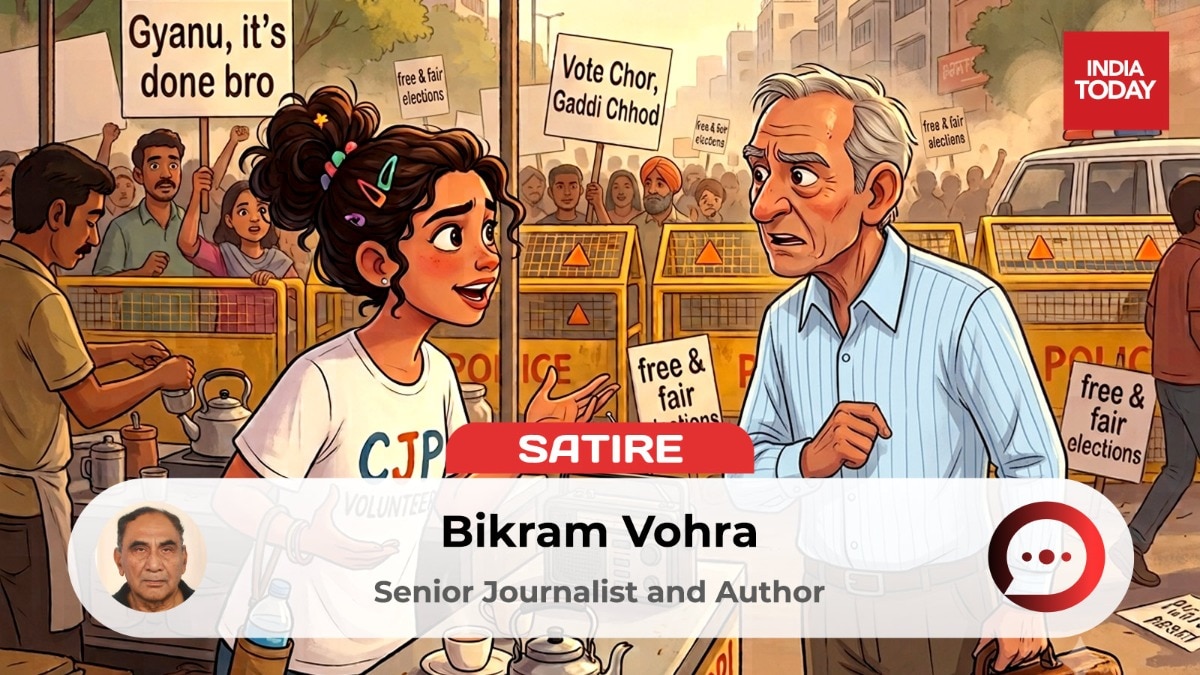
The generational gap that has long characterized Indian society appears to be narrowing in unexpected ways, as members of older and younger cohorts discover shared interests in cultural traditions and social spaces. From tea houses to cultural centers, interactions between Baby Boomers and Gen Z individuals reveal surprising points of connection that challenge stereotypes about each generation's values and interests.
These encounters often occur in informal settings where traditional Indian practices meet modern social environments. Tea, a beverage that has served as a backdrop for Indian social life for generations, continues to be a catalyst for intergenerational conversation. The ritual itself—unhurried and meditative—creates space for genuine exchange between people separated by decades of experience.
Cultural knowledge, particularly concepts rooted in Sanskrit and classical Indian thought, has emerged as an unexpected bridge between age groups. Younger Indians increasingly show interest in traditional wisdom and philosophical frameworks, while older generations appreciate the enthusiasm younger people bring to these subjects. This intellectual common ground has sparked renewed discussions about India's heritage and its relevance to contemporary life.
Social observers note that these interactions benefit both generations. Younger people gain perspective and historical context from elders, while older generations benefit from fresh interpretations and the energy younger people bring to traditional subjects. In an era often characterized by digital divides and generational friction, these face-to-face exchanges represent a meaningful countertrend, suggesting that shared cultural identity may prove stronger than age-based differences.