World · World News Bureau
Geneva talks seek to end cycle of conflict in eastern Congo
Diplomatic negotiations aim to resolve the standoff between the Democratic Republic of Congo and Rwanda over territorial control and security arrangements in the volatile eastern region. The M23 rebel group, widely believed to have Rwandan backing, currently holds significant territory in the conflict zone.
LSN World News ·
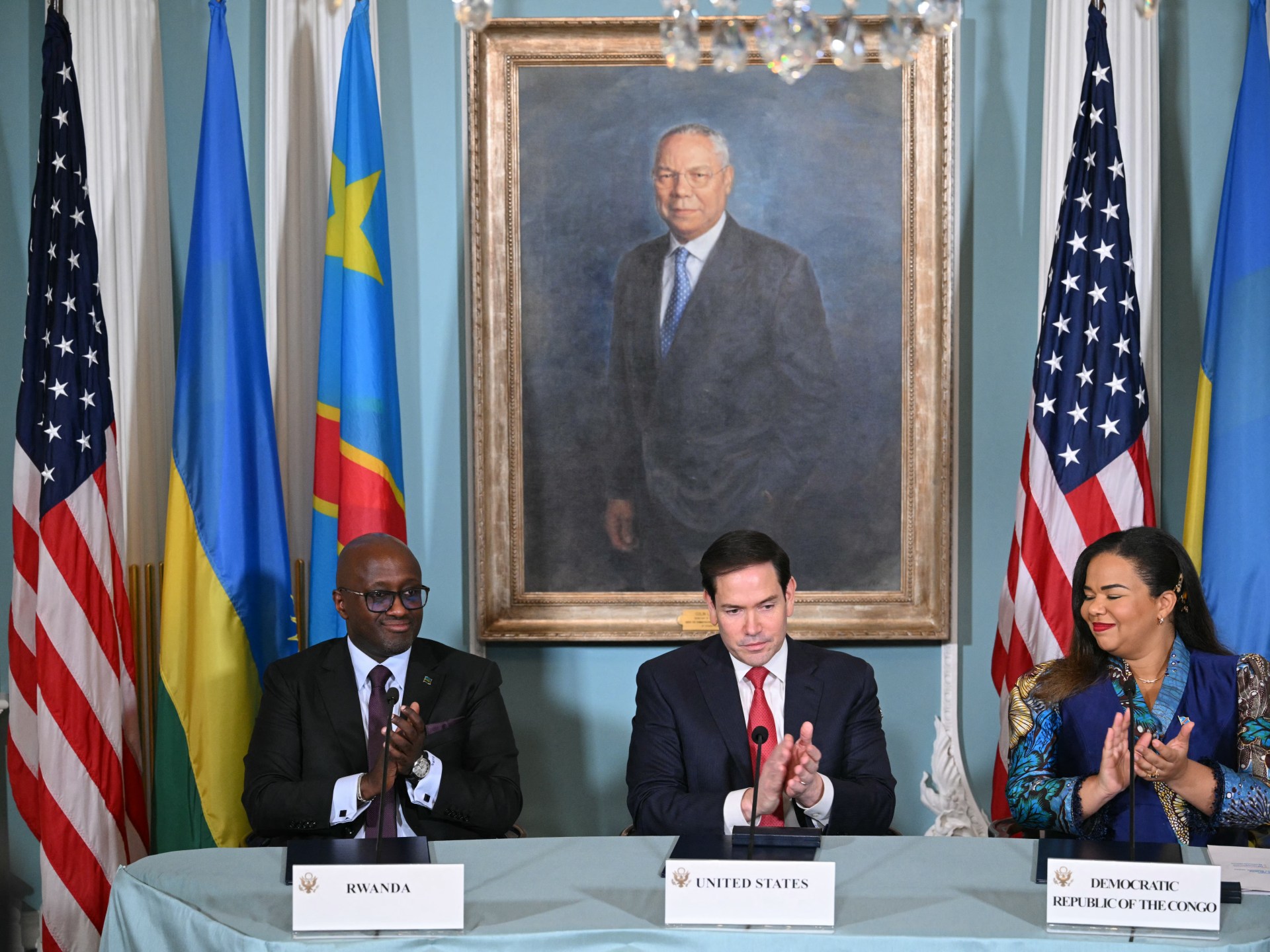
Envoys from the DRC and Rwanda are gathering in Geneva for fresh talks aimed at breaking a prolonged deadlock in eastern Congo, where decades of instability have fuelled a humanitarian crisis affecting millions. The negotiations come as the M23 rebel movement maintains control over large swathes of territory in North and South Kivu provinces, a situation that has deepened tensions between Kinshasa and Kigali.
At the heart of the dispute are conflicting visions of security and sovereignty. The DRC government accuses Rwanda of directly supporting M23, a charge Kigali denies while citing security concerns over Hutu militias operating from Congolese territory. Regional mediators have struggled for months to bridge the gap between the two nations, with previous ceasefire agreements repeatedly breaking down.
The Geneva forum represents a critical test of whether diplomatic channels can succeed where military posturing has failed. International observers note that any sustainable resolution must address not only the immediate question of M23's territorial holdings but also the underlying security grievances and governance failures that have enabled armed groups to flourish in eastern Congo for decades.
Success remains uncertain, with previous rounds of talks producing limited tangible progress. However, mounting pressure from regional bodies and international partners seeking stability in the strategically important region has prompted both governments to return to the negotiating table. The talks are expected to focus on establishing verifiable security arrangements and mechanisms for verifying any future agreements.