Business · India Bureau
Geography as Strategy: How Maritime Chokepoints Shape Regional Power
As Iran demonstrates the strategic value of controlling key sea routes, analysts say India has similar geographic advantages it could leverage in its regional competition with China. The lessons from recent maritime tensions highlight how location remains a critical factor in geopolitical influence.
LSN India ·
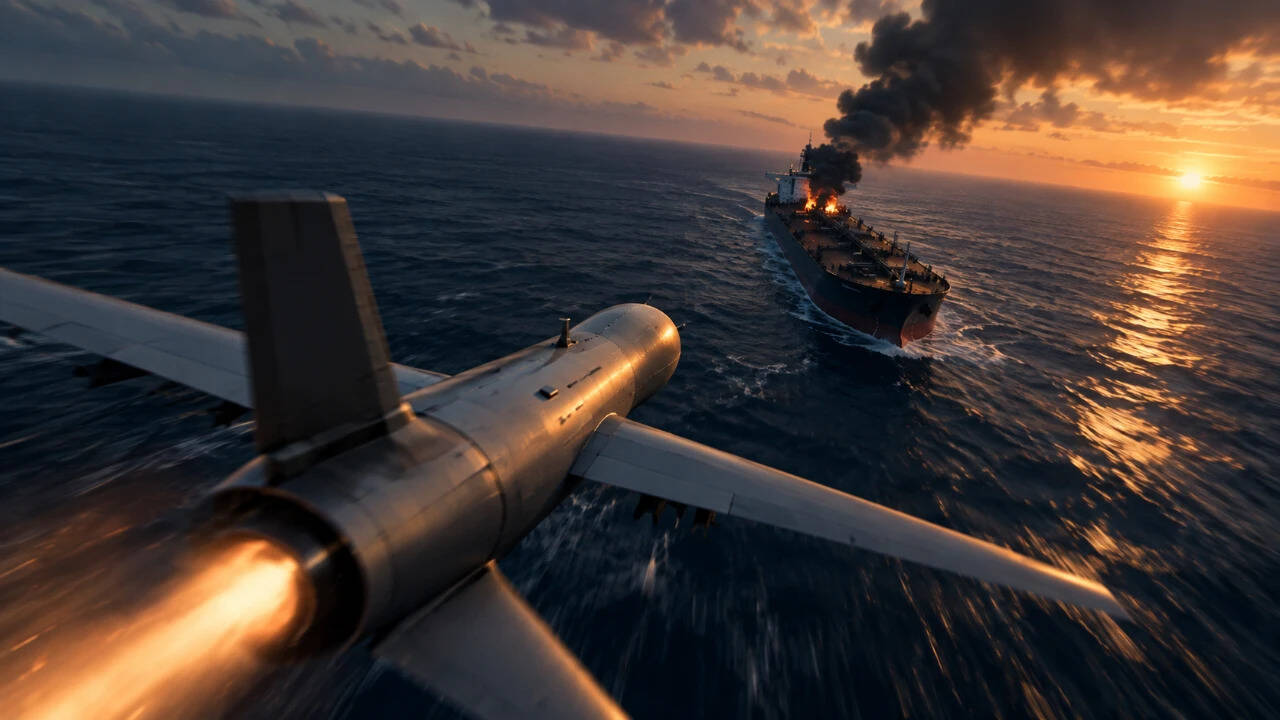
Iran's control of the Strait of Hormuz has emerged as a potent tool in its ongoing confrontation with the United States, with disruptions to shipping routes triggering significant declines in global oil flows over the past months. The strategic importance of this maritime chokepoint underscores how geography can translate into tangible economic and political leverage on the world stage.
India's position astride major global shipping lanes and its influence over critical sea routes in the Indian Ocean present comparable opportunities for regional influence. Policymakers and analysts increasingly recognize that New Delhi's geographical position—controlling access to key maritime passages and surrounding important trade corridors—offers substantial strategic advantages in the context of broader Asian geopolitics.
The comparison between Iran's use of the Strait of Hormuz and India's potential leverage through the Indian Ocean reflects a broader pattern in contemporary international relations: nations positioned at critical junctures of global commerce and communication possess influence disproportionate to their military or economic size. Both situations illustrate how maritime geography continues to shape the balance of power in their respective regions.
As global supply chains remain vulnerable to maritime disruptions, countries commanding strategic waterways have gained heightened attention from policymakers worldwide. India's position offers potential advantages in managing trade flows, supporting allies, and maintaining strategic autonomy—though the extent to which New Delhi chooses to exercise such leverage remains an open question.