World · India Bureau
German archaeologists unearth rare Roman-era metalworking workshop
Excavations in Dortmund have revealed a well-preserved ancient workshop where Germanic tribes processed Roman metal scraps, offering fresh insights into cross-cultural exchange beyond the empire's borders.
LSN India ·
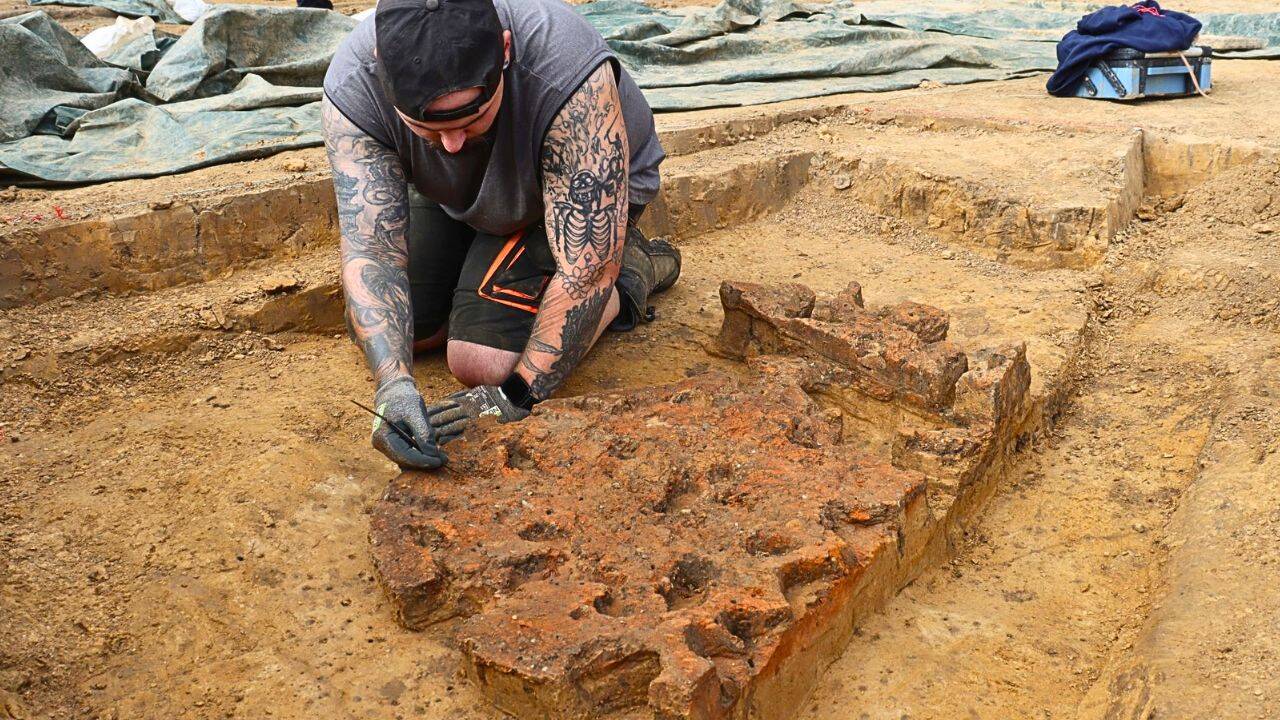
Archaeologists working in Dortmund, Germany have uncovered a significant Roman-era workshop complex that sheds new light on industrial practices and cultural interactions in ancient Central Europe. The site, featuring intact furnaces, storage pits, and a pottery kiln, dates to the Roman period and demonstrates sophisticated craft production methods employed by local Germanic communities.
Excavation teams discovered evidence that inhabitants of the workshop processed scrap metal originating from Roman sources, suggesting active trade networks and material exchange between Germanic tribes and the Roman Empire. The workshop's architectural features, including multiple furnaces and specialised storage areas, indicate this was a dedicated production centre rather than a casual settlement.
The discovery is significant for understanding how Germanic peoples engaged with Roman material culture and technology. Rather than existing in isolation from the empire, communities in this region actively participated in economic systems that involved acquiring, recycling, and working with Roman metals and other resources.
Researchers say the findings contribute substantially to existing knowledge about ancient metalworking practices and provide concrete evidence of the sophisticated economic relationships that existed between peripheral Germanic territories and the Roman world. The well-preserved condition of the site has allowed experts to document production techniques, workshop organisation, and the scale of craft activities at the location.