World · India Bureau
German industry leaders call for shorter working week amid wage pressures
Top executives argue that high labour costs are undermining Germany's competitive edge in global markets. Leading industrialists are pushing for a return to the 40-hour working week as a cost-containment measure.
LSN India ·
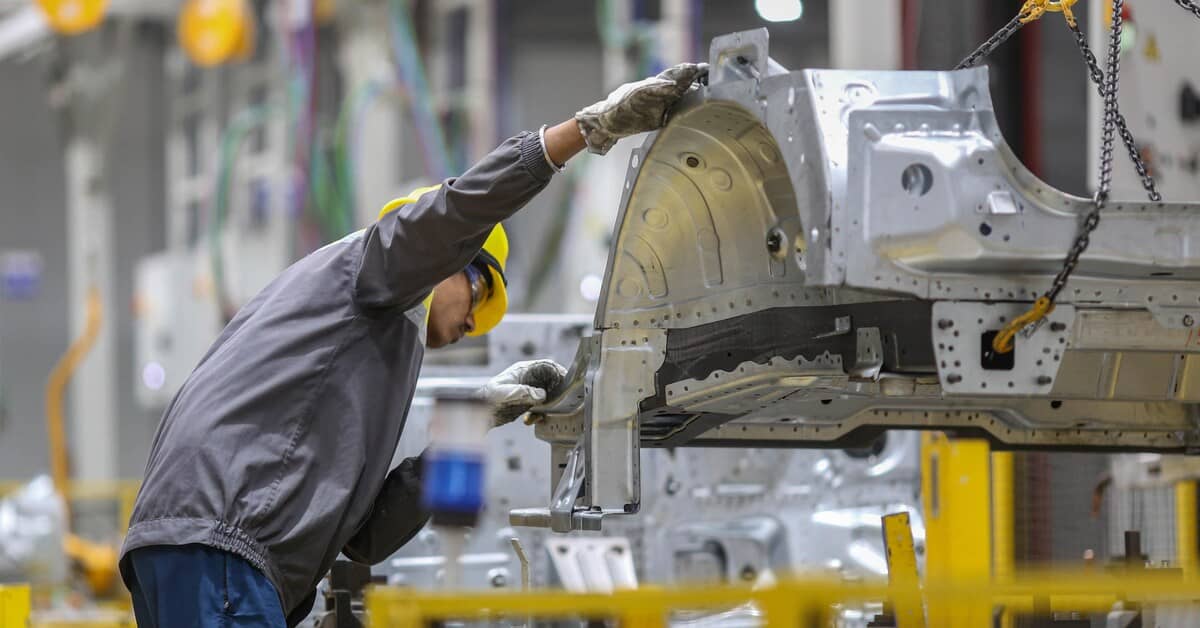
Germany's industrial establishment is intensifying calls for shorter working hours as mounting labour costs threaten the nation's manufacturing competitiveness. Senior business leaders contend that reduced working weeks could help contain wage expenditures while maintaining productivity levels in an increasingly challenging economic environment.
The push reflects broader concerns among German manufacturers about their position in global competition. Executives argue that labour-intensive production costs have become a significant drag on profitability, particularly as emerging markets offer lower-cost alternatives for industrial operations. By reducing the standard working week, companies hope to stabilize labour expenses without resorting to workforce reductions.
The proposal has reignited debate over work-hour policies in Germany, where the standard working week has been subject to negotiation between unions and employers for decades. Labour representatives have historically resisted efforts to reduce working hours or compress wages, viewing such measures as threatening workers' living standards and job security.
German industry's competitiveness challenges extend beyond labour costs, encompassing energy prices, regulatory compliance, and infrastructure investment. The industrial sector's appeals reflect mounting anxiety about Germany's economic performance and its ability to maintain its status as Europe's manufacturing powerhouse amid shifting global supply chains and rising international competition.