World · World News Bureau
German political turmoil tests nation's cherished stability
A brewing political crisis in Germany threatens the country's reputation for institutional steadiness, with ripple effects expected across Europe. The developments are being closely monitored by international observers concerned about broader regional implications.
LSN World News ·
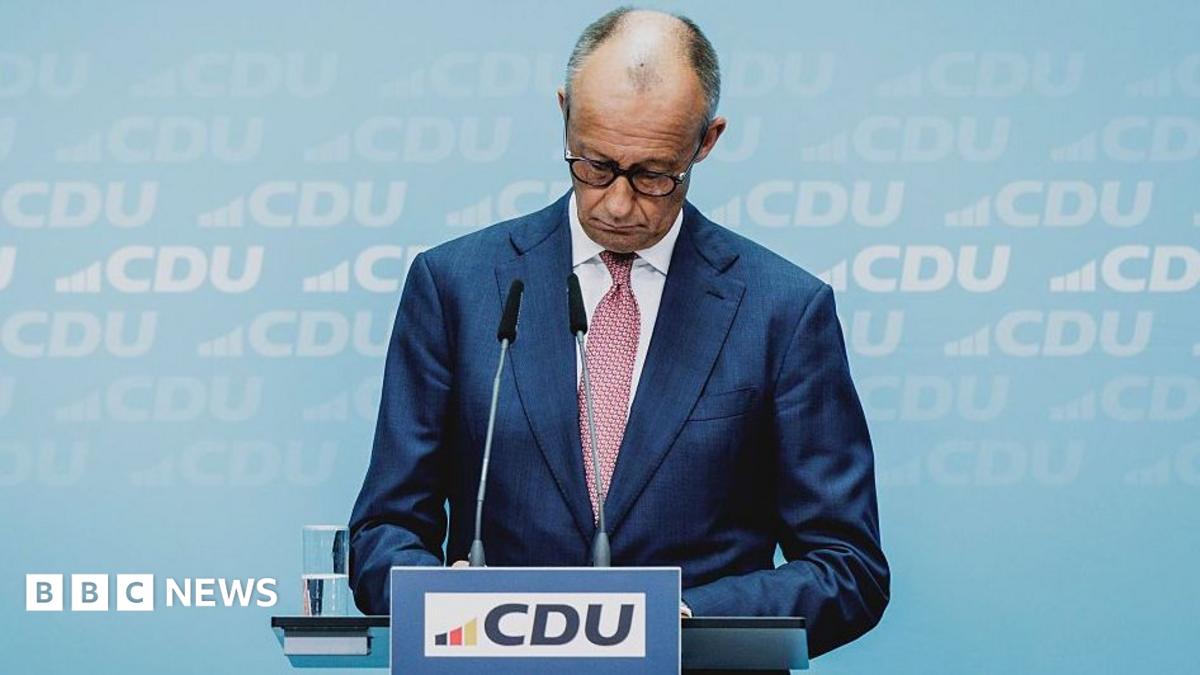
Germany's political establishment faces unusual turbulence as internal party divisions and leadership challenges undermine the orderly governance that has long defined the European powerhouse. The situation surrounding Friedrich Merz and his party represents more than routine domestic politics—it signals potential instability in a nation where consensus-building and predictable transitions of power have been cornerstone principles.
The crisis comes at a sensitive moment for Europe, with the continent already grappling with geopolitical tensions and economic uncertainty. Germany's political steadiness has historically provided reassurance to neighboring nations and international markets, serving as an anchor for regional stability. Any prolonged period of internal discord could complicate decision-making on critical continental issues.
Political observers across Europe and beyond are tracking developments closely, recognizing that Germany's institutional health affects broader European dynamics. The outcome of current political maneuvering will likely influence how decisively Berlin can act on matters ranging from defense spending to energy policy to relations with Eastern Europe.
Analysts suggest the resolution of the current tensions will be telling. Whether Germany's political system can navigate present challenges while maintaining its traditional institutional coherence remains an open question with significance extending well beyond Berlin's borders.