Politics · Bangladesh Bureau
German state election signals weakness in Merz's conservative bloc
A regional election in Germany has exposed fractures in the conservative alliance, as voters shift toward both far-right and left-leaning parties. The result presents a cautionary tale for European centrist movements facing growing political polarization.
LSN Bangladesh ·
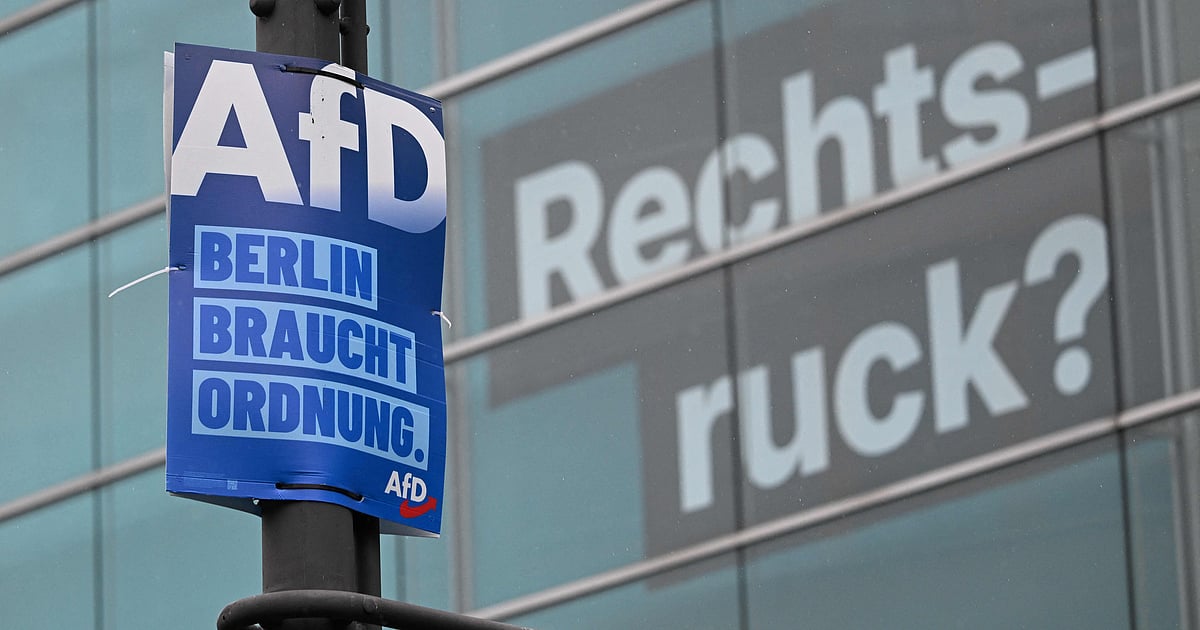
A state-level election in Germany has delivered mixed results for the country's main conservative party, raising questions about the party's electoral strategy ahead of potential national elections. The vote demonstrated that traditional centrist politics faces mounting pressure from parties positioned at the ideological extremes, a trend increasingly visible across European democracies.
The election reflected voter dissatisfaction with established political arrangements, with significant portions of the electorate gravitating toward alternative parties. The result underscores deepening divisions within German society over migration, economic policy, and the country's political direction, concerns that transcend conventional left-right divides.
For conservative leader Friedrich Merz, the outcome suggests that consolidating support will prove challenging amid competing demands from different voter blocs. The state election indicates that voters are increasingly willing to experiment with parties outside the traditional mainstream, a dynamic that could reshape German politics if it persists.
The result carries implications beyond Germany's borders, signaling to other European leaders that maintaining voter confidence requires addressing widespread anxieties about economic security, immigration, and cultural change. How established parties respond to this electoral message will likely influence the broader political trajectory across the continent.