World · India Bureau
Germany marks 34 years since reunification of divided nation
On this day in 1990, East and West Germany formally reunited after 45 years of separation following World War II. The momentous occasion ended one of the Cold War's most enduring symbols of global division.
LSN India ·
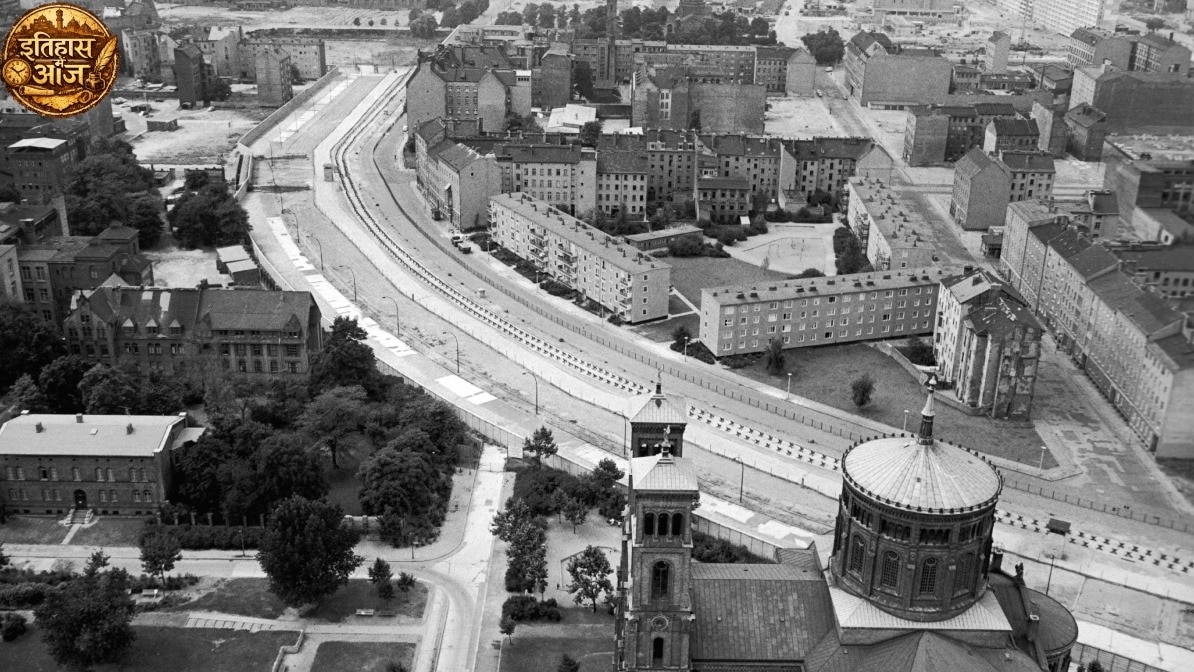
Germany's division in the aftermath of World War II left the nation split into four occupation zones controlled by the Soviet Union, United States, Britain, and France. As Cold War tensions escalated, these zones gradually consolidated into two separate states: the Federal Republic of Germany in the west and the German Democratic Republic in the east, each developing distinct political and economic systems over the next four and a half decades.
The Berlin Wall, constructed in 1961, became the physical embodiment of this division, separating families and symbolizing the ideological chasm between communist East and democratic West. The barrier would stand for nearly three decades as one of the most potent symbols of Cold War partition.
The fall of the Berlin Wall in November 1989 paved the way for rapid political changes across Eastern Europe. Within months, negotiations between East and West German leaders culminated in formal reunification on October 3, 1990, restoring the nation to a single political entity after nearly half a century apart.
The reunification process proved economically and socially complex, requiring significant investment in eastern infrastructure and efforts to bridge disparities that had accumulated during the separation. Nonetheless, the event stands as a pivotal moment in post-war European history, demonstrating the possibility of peaceful resolution to deep-seated divisions.