Politics · India Bureau
Germany's AfD surge prompts debate on European populism shift
The German far-right Alternative for Germany party's electoral gains have reignited discussion about the direction of European politics and voter frustration with mainstream parties. The result raises questions about whether similar movements could gain momentum across the continent.
LSN India ·
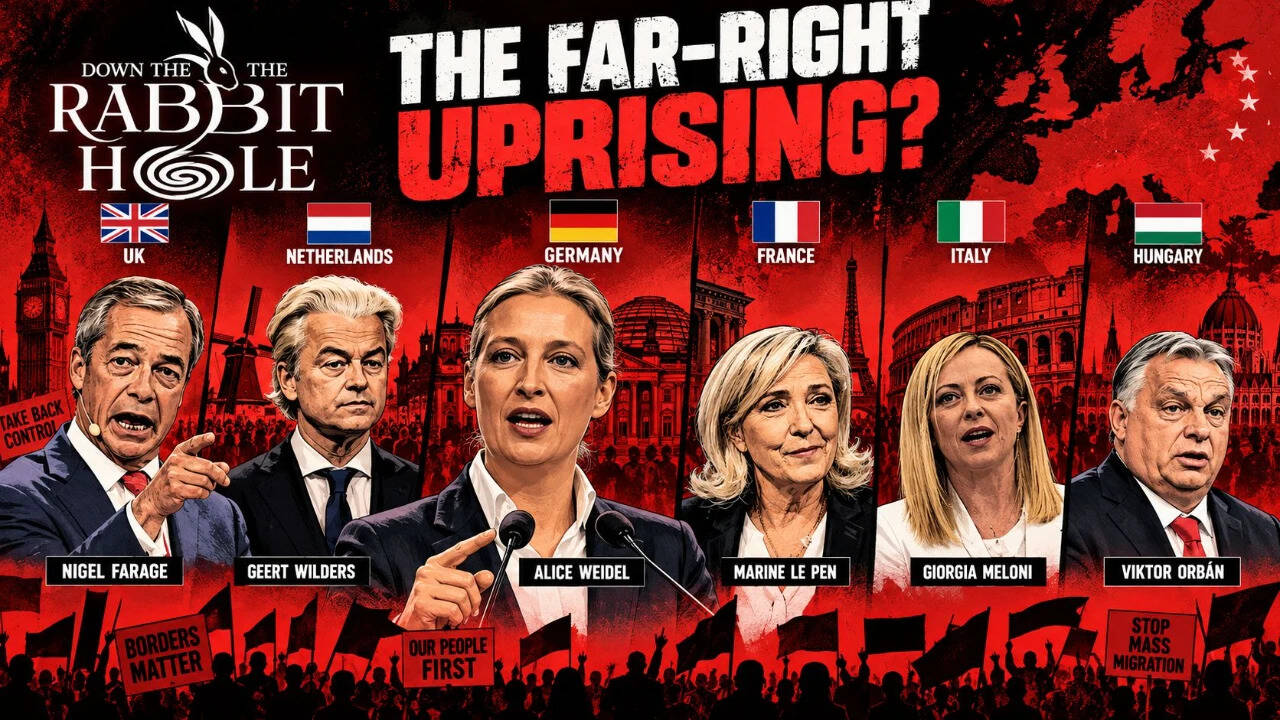
Germany's Alternative for Germany (AfD) party achieved significant electoral success in recent voting, marking a notable shift in the country's political landscape. The result has prompted analysis across Europe about the broader implications for the continent's political future and the underlying causes of the party's appeal.
Observers point to a widening gap between voter concerns and the responses offered by established political parties. Critics of mainstream European politics argue that traditional parties have increasingly dismissed public anxieties related to immigration, sovereignty, and economic security as illegitimate, rather than engaging substantively with these concerns. This dynamic, analysts suggest, has created space for parties willing to address these issues directly.
The AfD's performance reflects a pattern seen in other European nations where anti-establishment and populist movements have gained traction. Political commentators debate whether these developments represent a sustained realignment in European politics or a temporary protest vote against incumbent governments. The convergence of similar movements across multiple countries suggests structural factors beyond individual national circumstances may be at play.
European political establishments face mounting pressure to reconsider their engagement with voters expressing concern about conventional policy frameworks. The electoral results underscore the challenge facing traditional parties in addressing public dissatisfaction without ceding ground to parties positioned outside the mainstream consensus. How established parties respond to these voting patterns may shape European politics significantly in coming years.