Business · World News Bureau
Ghana's housing crisis persists despite surge in investment flows
Despite increased capital flowing into Ghana's real estate sector, housing affordability remains elusive for most citizens. Structural barriers including construction costs, mortgage access and surging demand continue to widen the gap between supply and buyer capability.
LSN World News ·
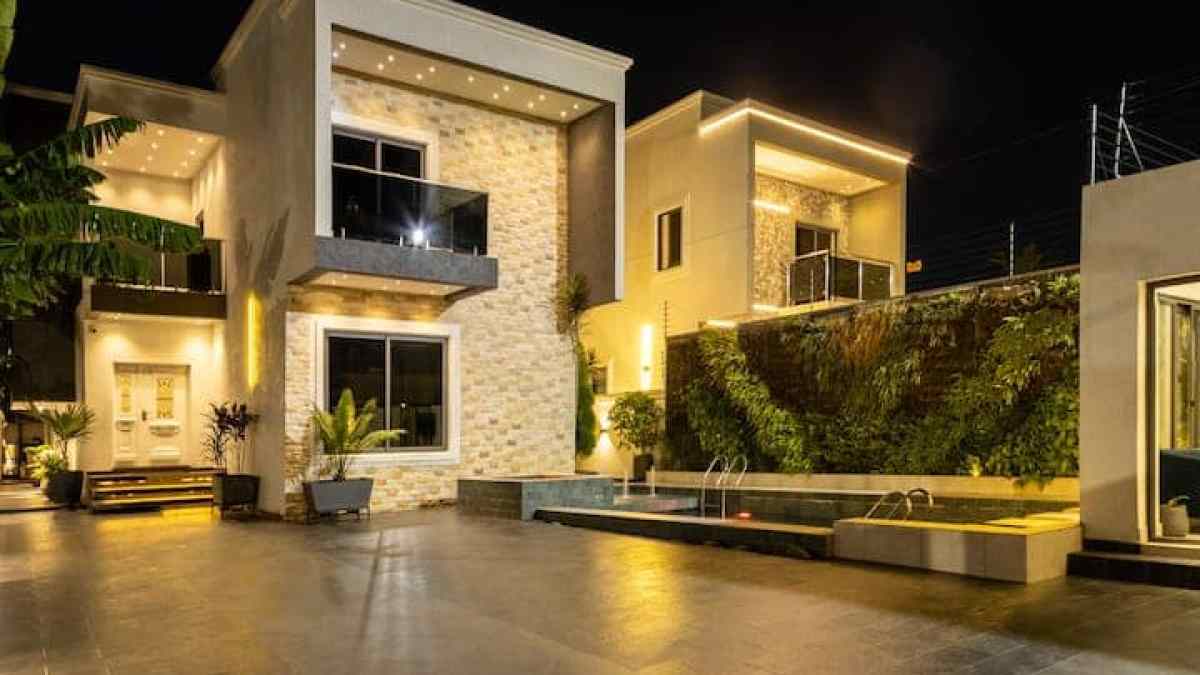
Ghana's residential property market has attracted growing investment in recent years, yet ordinary citizens find themselves increasingly locked out of homeownership. The paradox reflects deeper systemic challenges that capital infusion alone cannot resolve in the West African nation's overheated housing market.
Construction expenses remain prohibitively high, driven by elevated materials costs and infrastructure limitations. These input expenses are passed directly to buyers, placing even modest housing units beyond the reach of Ghana's expanding middle class. Simultaneously, formal financing options remain restricted, with mortgage products available primarily to wealthy purchasers and formal sector employees.
Demand continues to outpace supply as Ghana's urban population grows and incomes rise modestly. This supply-demand imbalance exerts continuous upward pressure on prices across major cities including Accra and Kumasi, further eroding affordability metrics. Speculative investment activity has also contributed to price escalation in prime locations.
Policy experts suggest that addressing Ghana's housing deficit requires coordinated interventions beyond attracting private capital. These include streamlining construction regulations, expanding mortgage lending frameworks, and increasing residential land availability. Until such structural reforms accompany investment growth, housing affordability will likely remain a persistent challenge for Ghana's working population.