World · India Bureau
Ghost town Ruby City once bustled with thousand residents during silver rush
Washington state's Ruby City was a thriving frontier settlement during America's silver mining boom, drawing hundreds of prospectors seeking fortune. Today, the once-prosperous community stands largely abandoned, a testament to the boom-and-bust cycles of resource-dependent economies.
LSN India ·
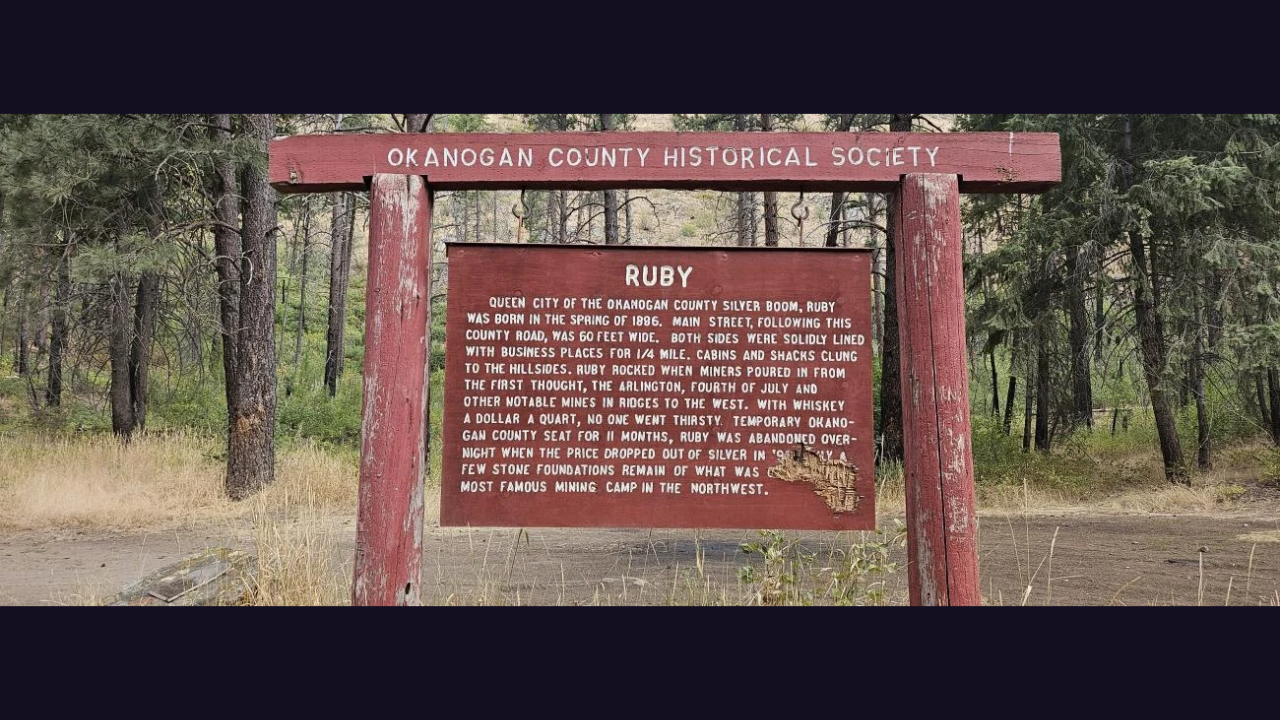
Ruby City in Washington state experienced rapid growth during the silver rush era, at one point supporting a population of approximately 1,000 residents drawn by the promise of mineral wealth. The settlement emerged as a typical frontier town of the period, with miners, merchants, and service providers converging on the area to participate in the extraction and trade of silver deposits.
The economic vitality of Ruby City reflected the broader patterns of 19th-century American mining communities, where discoveries of precious metals sparked sudden population surges and infrastructure development. Schools, shops, saloons, and boarding houses sprang up to serve the influx of fortune-seekers, transforming a remote wilderness area into a bustling commercial center within a short timespan.
However, like many mining towns dependent on a single commodity, Ruby City's prosperity proved temporary. As silver deposits became exhausted or market prices declined, the economic foundation supporting the community eroded. Residents gradually departed in search of opportunities elsewhere, leaving behind a diminished population and abandoned structures.
Today, Ruby City stands as a historical artifact of America's frontier era, with its remaining buildings and artifacts serving as reminders of the transient nature of resource-based boom towns. The site has become of interest to historians and heritage conservationists studying the patterns of settlement, economic development, and decline in the American West.