World · India Bureau
Ghost town Skidoo: From gold rush boomtown to abandoned settlement
The California desert settlement of Skidoo experienced a dramatic boom-bust cycle after a major gold discovery in 1906, attracting hundreds of fortune-seekers before fading into obscurity. The once-thriving mining community now stands as a testament to the transient nature of resource-dependent settlements.
LSN India ·
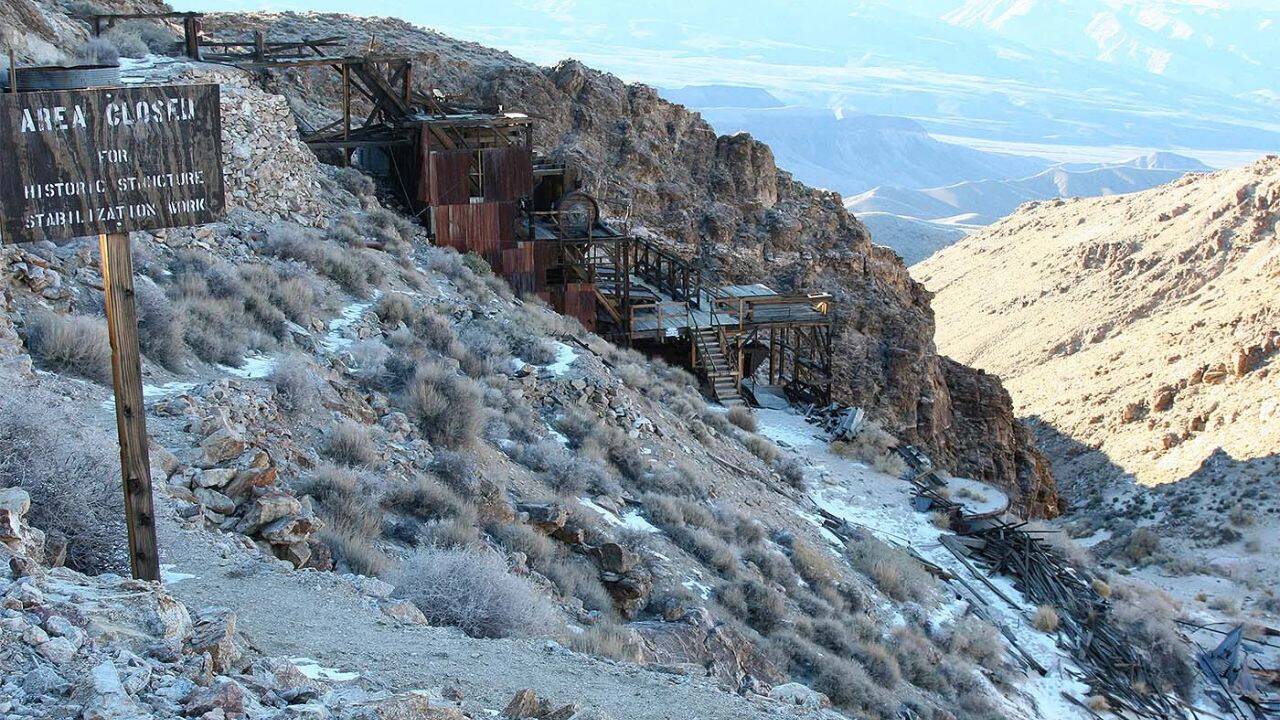
Skidoo emerged as a significant population center in the early 1900s following the discovery of substantial gold deposits in the surrounding Panamint Range. The strike triggered a rapid influx of prospectors and miners seeking their fortunes, with the settlement swelling to approximately 700 residents at its peak.
The remote location in California's desert region presented considerable challenges for residents, from supply chain difficulties to harsh environmental conditions. Despite these obstacles, the promise of wealth from the gold fields sustained the community's growth during the boom years, attracting merchants, service providers, and support workers alongside active miners.
However, like many mining-dependent settlements, Skidoo's prosperity proved temporary. As ore reserves depleted and mining operations became less profitable, the economic foundation that sustained the town eroded. The exodus of miners and workers was swift and comprehensive, with the population declining sharply as opportunities dwindled.
Today, Skidoo exists primarily as a historical curiosity and ghost town, offering insights into the transient communities that characterized America's mining era. The settlement's rise and fall illustrates the inherent instability of economies built solely around resource extraction, a pattern that repeated across numerous frontier communities during the early twentieth century.