World · India Bureau
Gig delivery workers face pay cuts, limited protections in India
While delivery and gig work promises lucrative earnings, workers face significant drawbacks including financial penalties and minimal legal safeguards. A closer examination of company terms reveals substantial risks for those entering the sector.
LSN India ·
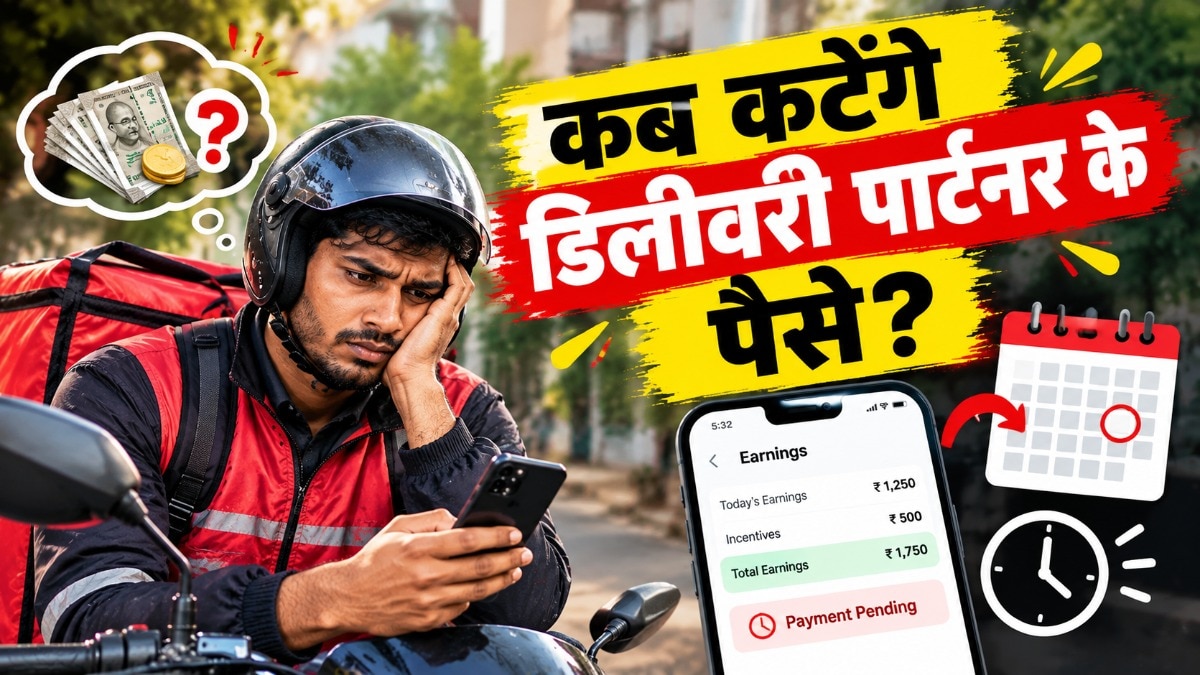
Delivery partnerships and gig work in India's rapidly expanding logistics sector carry substantial hidden costs that belie promotional narratives of high earnings, an examination of employment terms shows.
While anecdotal accounts highlight individuals earning thousands monthly through delivery work, the fine print of platform agreements reveals numerous deductions and penalties. Workers frequently face financial consequences for errors or perceived service failures, with amounts deducted directly from earnings through automated systems.
The employment model typically classifies workers as independent contractors rather than employees, limiting access to standard labor protections, minimum wage guarantees, and statutory benefits. This distinction allows platforms to transfer operational risks directly to workers while maintaining limited liability for working conditions or safety.
Workers operating under these arrangements lack formal dispute resolution mechanisms and have limited recourse when facing arbitrary account suspensions or earning reductions. The absence of collective bargaining power and transparent penalty structures leaves individuals vulnerable to unilateral policy changes by platforms.
Industry observers note that while gross earning potential may appear attractive, net income after deductions, vehicle maintenance, fuel, and other operational costs often fails to meet promised returns. Workers entering the sector are increasingly advised to thoroughly review contractual obligations before accepting assignments.