Culture & Entertainment · India Bureau
Gita, Natyashastra manuscripts join UNESCO World Memory Register
UNESCO has inscribed manuscripts of the Bhagavad Gita and the Natyashastra on its Memory of the World Register, recognizing their significance as documentary heritage. The recognition came as part of a global addition of 74 new collections to the prestigious registry.
LSN India ·
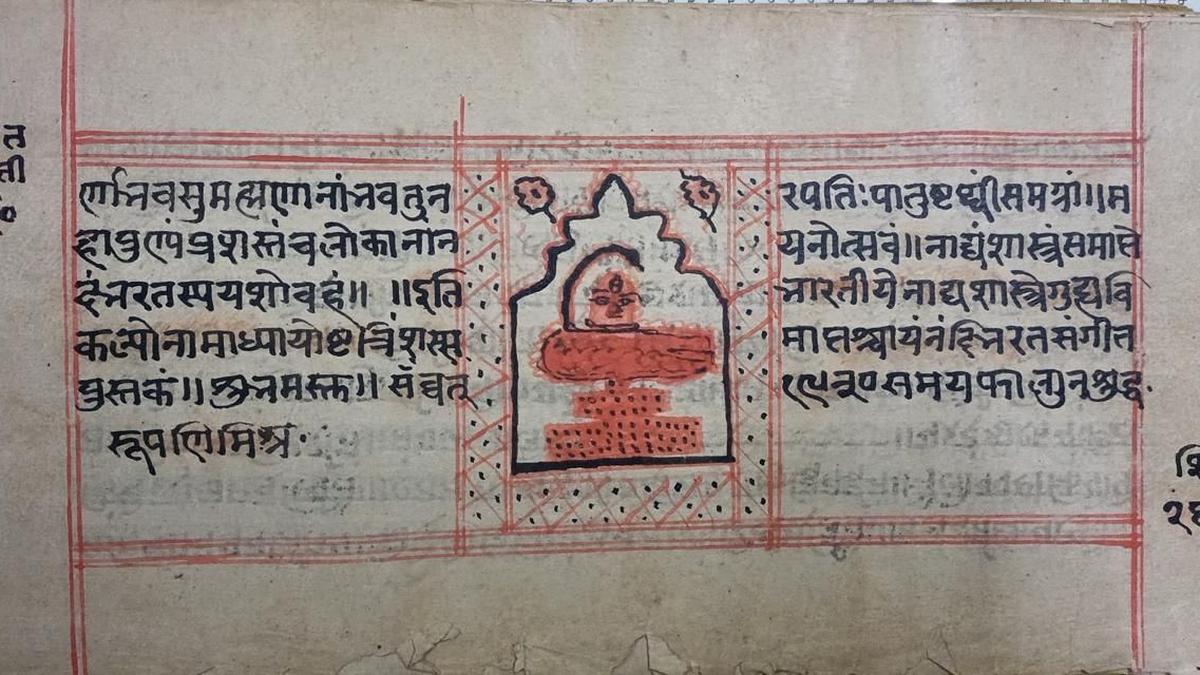
The Bhagavad Gita and Natyashastra manuscripts have been formally recognized by UNESCO as documentary heritage of international significance, joining the Memory of the World Register as of April 17, 2025. The inscription underscores the global importance of these foundational texts to human civilization and cultural knowledge.
The Bhagavad Gita, a pivotal Sanskrit philosophical and spiritual text embedded within the Mahabharata, has profoundly influenced Indian thought and continues to guide millions of practitioners worldwide. The Natyashastra, an ancient treatise on dramatic arts, music, and dance attributed to the sage Bharata, remains the foundational theoretical framework for classical Indian performing arts traditions.
The inscriptions were announced alongside 73 other documentary collections added to UNESCO's Memory of the World Register during the latest selection cycle. The register aims to preserve and promote awareness of documentary heritage deemed to be of outstanding universal value to humanity.
UNESCO's Memory of the World programme recognizes and safeguards documentary heritage—including manuscripts, archives, oral traditions, and audiovisual materials—that face extinction or neglect. The inclusion of Indian manuscripts in this international registry highlights the enduring relevance of classical Indian knowledge systems and their contribution to global cultural heritage.
The recognition is expected to enhance preservation efforts and international visibility of these manuscripts, encouraging scholarly research and ensuring their protection for future generations.