World · World News Bureau
Glacial collapse in Nepal-Tibet region kills over 165 people
A massive glacial collapse near the Nepal-China border has triggered devastating floods, claiming more than 165 lives. The disaster has renewed focus on how glacial failures occur and their increasing frequency in high-altitude regions.
LSN World News ·
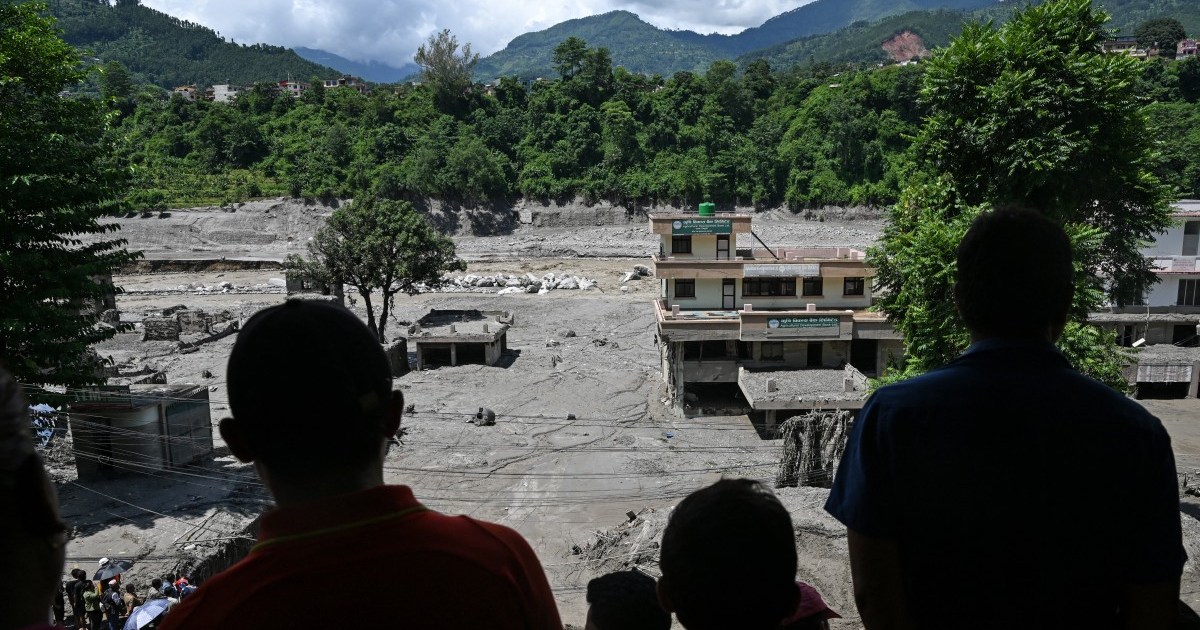
A catastrophic glacial collapse in the Himalayan region bordering Nepal and Tibet has resulted in significant loss of life, with authorities reporting over 165 deaths from the subsequent flooding. The incident underscores the hazards posed by unstable glaciers in one of the world's most mountainous terrain, where climate conditions and geological factors create conditions for such events.
Glacial collapses occur when large sections of ice break away from a glacier and plunge downward, often with tremendous force. When a collapse happens near water sources or in valleys, it can displace massive volumes of water and rock, creating destructive flood waves that travel at high speed downstream. The sudden release of water, ice, and debris can devastate everything in its path, destroying settlements, infrastructure, and vegetation across wide areas.
These events are not uncommon in high-altitude glacier zones, though their frequency has been a subject of scientific scrutiny. Climate change and rising temperatures in the Himalayas have been linked to increased glacial instability, with studies indicating a trend toward more frequent collapses and glacier retreat across the region.
The disaster has prompted regional authorities to assess hazards in other glacier-prone areas and review early warning systems. Communities living downstream of glaciers in Nepal, Tibet, and neighboring regions face heightened vulnerability to such events, which can strike with little warning given the remote locations of most glaciers.