World · India Bureau
Glacial melt, swollen rivers compound Nepal's disaster crisis
Heavy rainfall alone is not responsible for Nepal's mounting destruction. Rapidly melting glaciers, dangerous glacial lakes, unstable mountainsides, and surging rivers are combining to amplify the hazard, transforming high-altitude ice into a threat for lowland communities.
LSN India ·
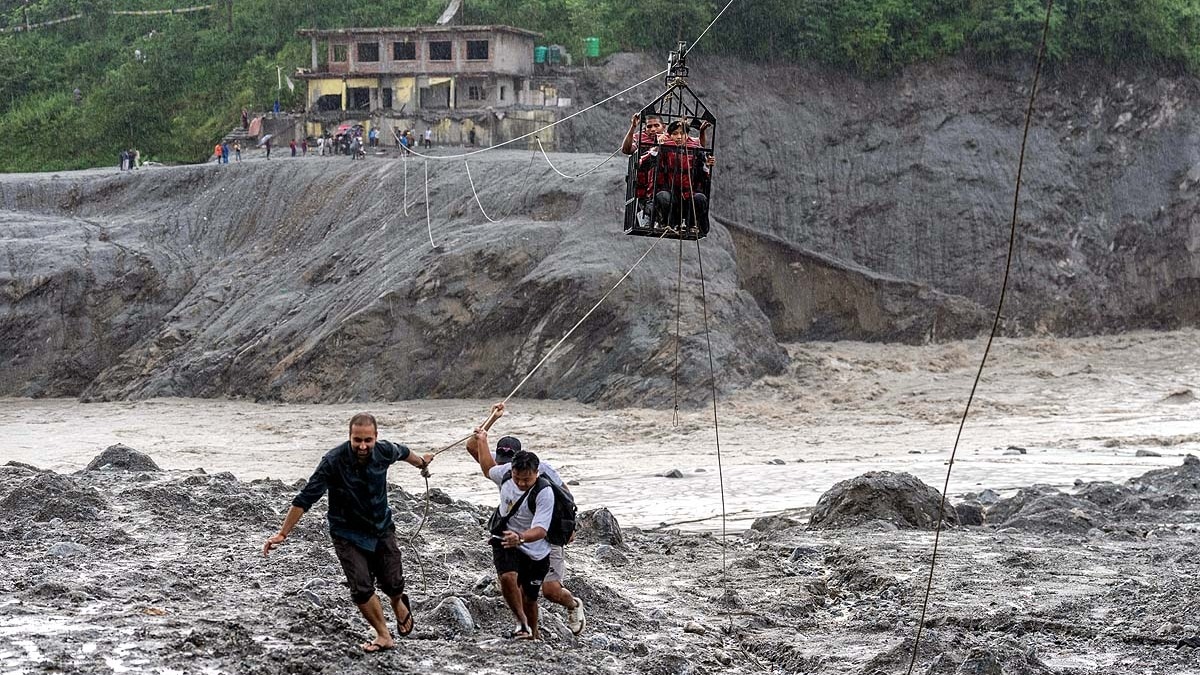
Nepal faces a compounding natural disaster as multiple environmental factors converge to amplify flooding and landslide risks across the Himalayan nation. While intense precipitation typically triggers such events, climatologists and disaster management officials point to accelerating glacier melt as a critical contributing factor that extends the threat well beyond seasonal rainfall patterns.
The rapid thawing of high-altitude ice has created numerous hazardous glacial lakes throughout Nepal's mountainous terrain. These lakes, formed by meltwater trapped behind unstable moraines, pose significant risks of catastrophic outburst floods. When such lakes breach their natural barriers, they unleash devastating torrents that cascade down valleys with little warning, overwhelming communities in their path.
Simultaneously, warming temperatures are destabilizing mountainsides across the region. Permafrost degradation and increased water infiltration weaken rock and soil structures, triggering landslides that block river valleys and create temporary dams. The subsequent failure of these natural barriers releases additional volumes of water downstream, compounding flood impacts.
The combination of swollen rivers fed by glacial melt, intense monsoon rains, and terrain instability creates a perfect storm of hydrological hazards. Communities that developed along historically manageable waterways now face unpredictable flows driven by climatic shifts. Disaster management officials emphasize that addressing Nepal's vulnerability requires integrated approaches spanning glacier monitoring, early warning systems, and climate adaptation planning alongside conventional flood management infrastructure.