World · India Bureau
Global 35x35 electricity plan raises questions for India's energy transition
A worldwide initiative to raise electricity's share in energy consumption to 35 percent by 2035 has emerged as a key focus at COP31. However, experts question whether the target aligns with India's unique energy security and development needs.
LSN India ·
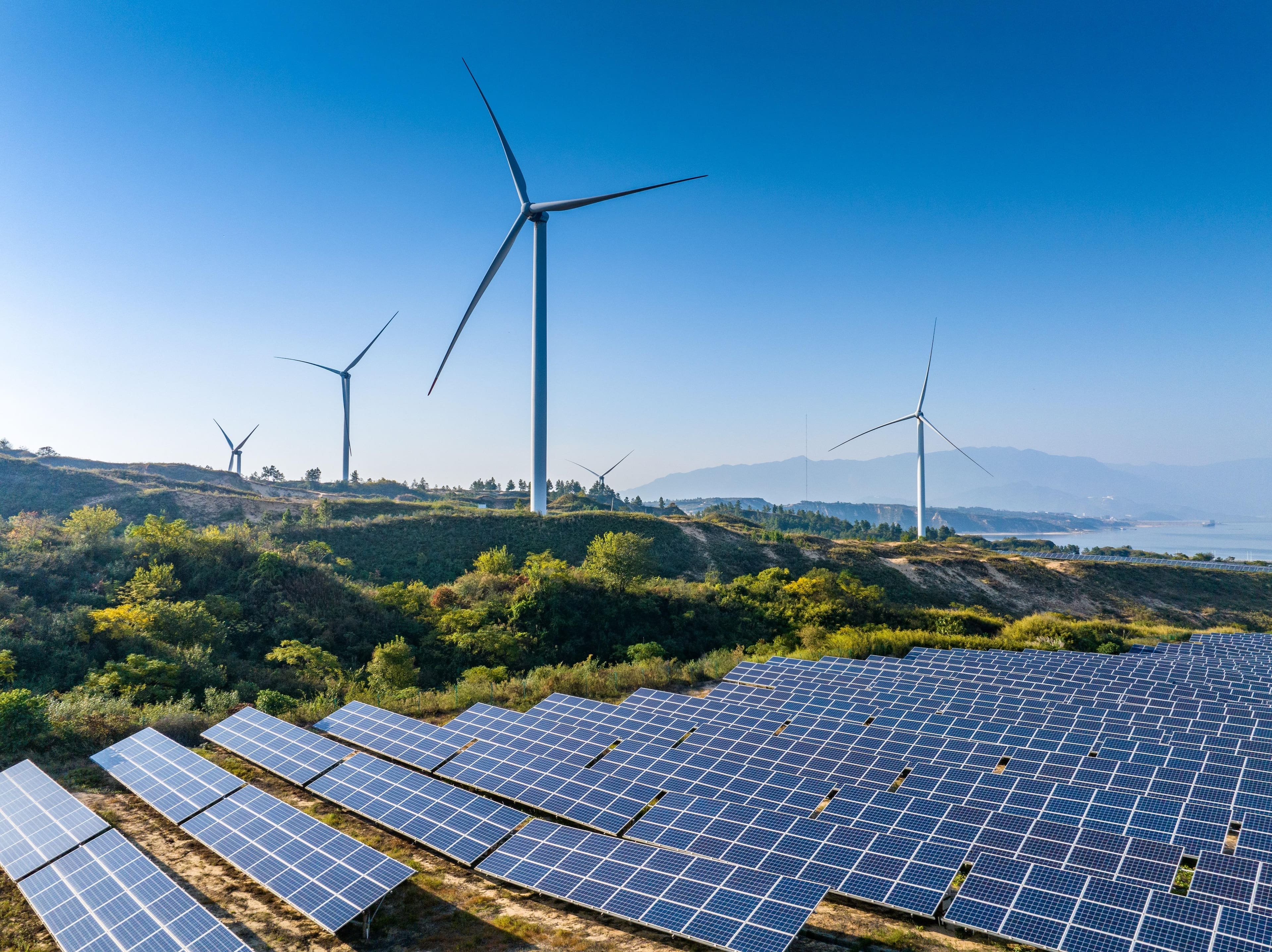
The proposal to increase electricity's proportion of global energy consumption to 35 percent by 2035 represents an ambitious pivot toward decarbonization, with major economies backing the framework as a pathway to meeting climate commitments. Proponents argue the shift would accelerate the transition away from fossil fuels and support renewable energy deployment on a unprecedented scale.
For India, however, the target presents a complex challenge. As the world's most populous nation and a developing economy with substantial energy demands, India faces competing pressures to ensure affordable electricity access while managing industrial competitiveness and reducing carbon emissions. The country currently relies heavily on coal for power generation, though renewable capacity has expanded significantly in recent years.
Energy analysts have raised concerns about whether the 35x35 framework adequately accounts for India's specific circumstances, including the energy intensity of manufacturing sectors, agricultural electricity requirements, and the pace of grid modernization needed to support electrification. Some argue that a one-size-fits-all global target may not reflect the technological and infrastructural realities facing developing nations.
India's energy ministry and climate negotiators are examining how the 35x35 commitment could integrate with existing national targets, including plans to achieve 500 gigawatts of renewable capacity and net-zero emissions by 2070. The coming weeks will determine whether India backs the proposal or seeks modifications to better reflect its development trajectory and energy security imperatives.