Business · World News Bureau
Global beef shortage looms as major producers face cattle herd decline
The world's three largest beef-producing nations are grappling with shrinking cattle stocks, raising concerns about future meat supply. A combination of soaring input costs, severe drought conditions, and natural breeding cycles is constraining production across major livestock regions.
LSN World News ·
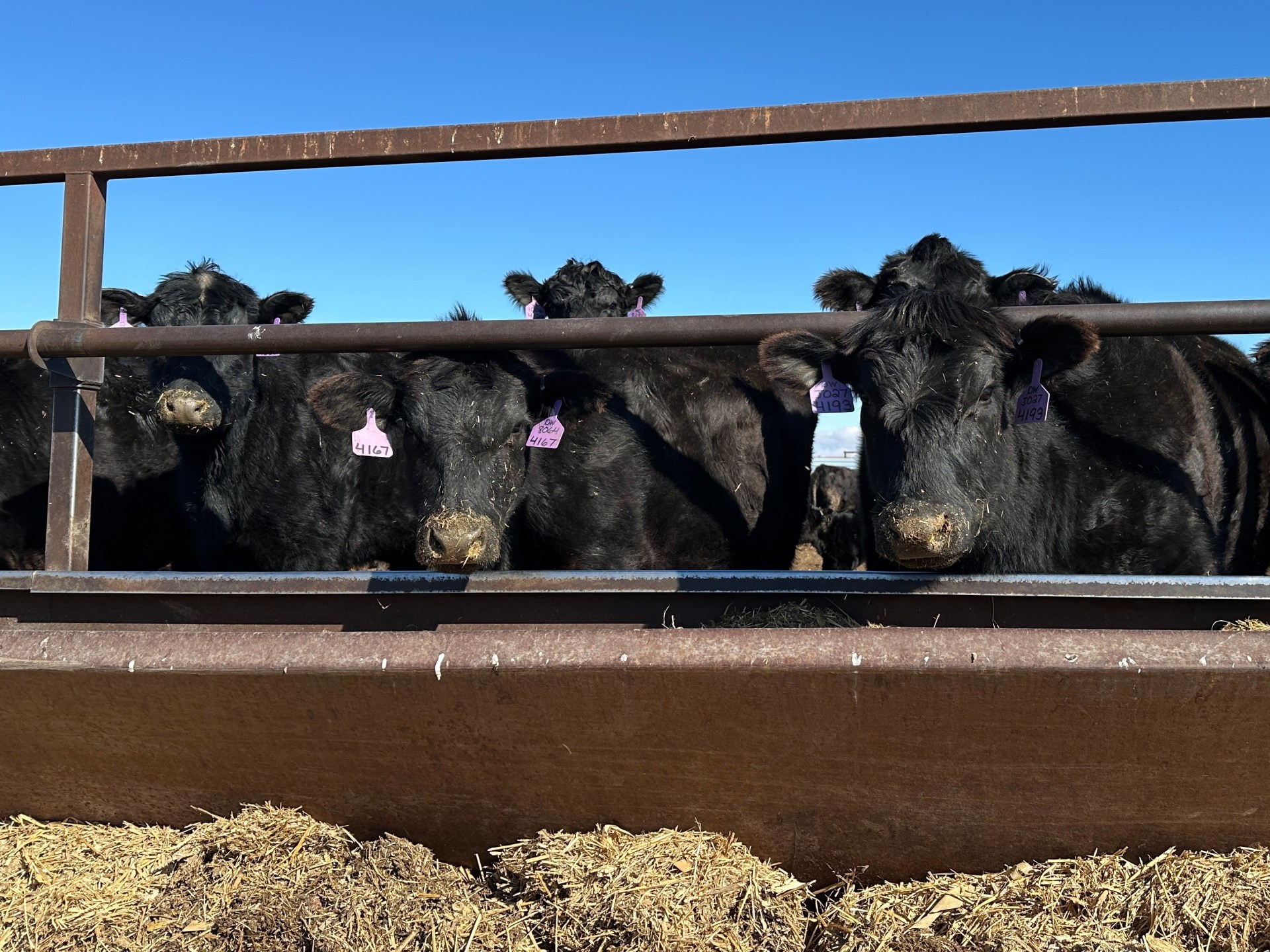
Cattle herds in the globe's top beef-producing countries are contracting at an accelerating pace, signaling potential supply disruptions in the years ahead. The decline reflects mounting pressures on livestock operations, as producers confront a perfect storm of economic and environmental headwinds that threaten the viability of large-scale ranching operations.
Rising input costs—including feed, fuel, and veterinary supplies—have squeezed profit margins for cattle producers, forcing many to reduce herd sizes or exit the business entirely. Simultaneously, widespread drought conditions in major ranching regions have decimated pasture lands and driven up the cost of supplemental feed, compounding financial strain on operations.
Biological constraints add another layer of complexity to the supply outlook. Cattle breeding cycles mean that even when conditions improve, rebuilding herds to previous levels requires several years of sustained investment and favorable conditions. This lag between current production decisions and future meat availability suggests that global beef prices may face sustained upward pressure before supply can stabilize.
Analysts warn that these developments could reshape global meat markets, potentially redirecting demand toward alternative proteins and straining food security in regions dependent on beef imports. Policymakers and industry stakeholders are increasingly focused on adaptive strategies, from improving feed efficiency to exploring drought-resistant pasture systems, as the sector confronts a new era of supply constraints.