World · India Bureau
Global carbon emissions set to dip in 2026 as oil prices surge on geopolitical tensions
Rising crude prices stemming from Middle East tensions are expected to curb fossil fuel demand and reduce global carbon emissions by 0.4 percent in 2026, analysts say. The decline, however, owes more to energy cost shocks than to genuine shifts toward renewable energy.
LSN India ·
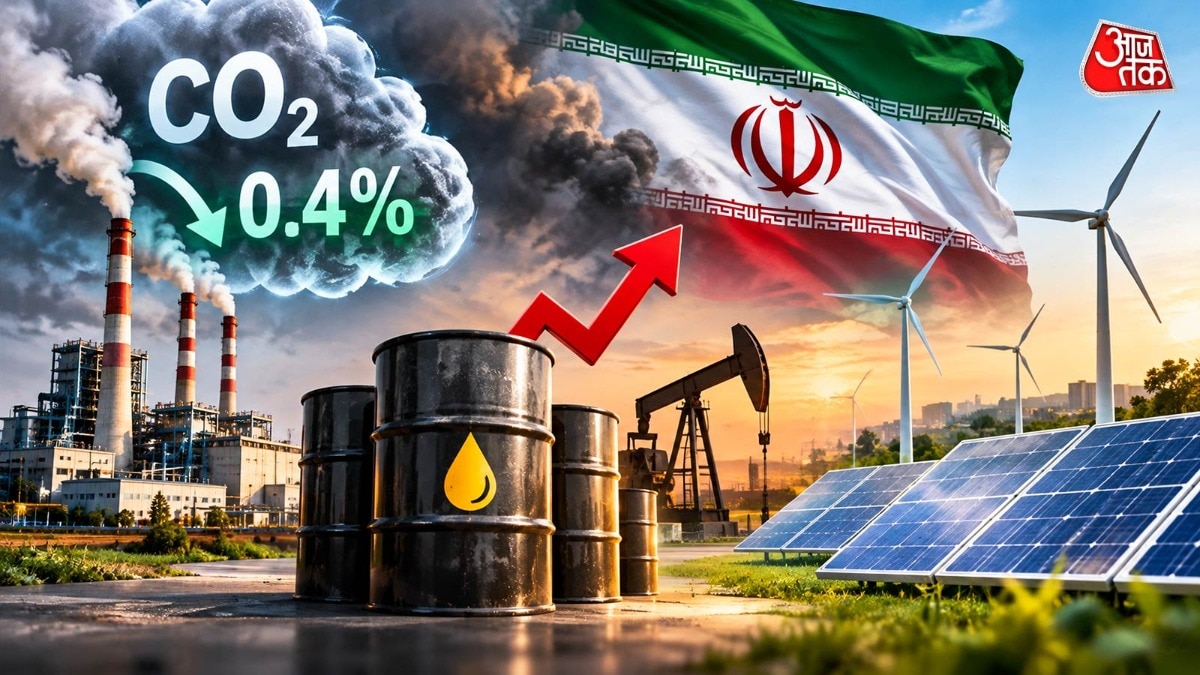
Global carbon dioxide emissions are projected to decline by 0.4 percent in 2026, marking a rare dip in annual greenhouse gas output, according to recent forecasts. However, the reduction appears driven primarily by geopolitical pressures affecting oil markets rather than accelerated adoption of clean energy technologies.
Surging crude oil prices—triggered by escalating tensions in the Middle East—are expected to reduce consumption of fossil fuels across multiple sectors. Higher energy costs typically dampen industrial activity and consumer demand, leading to lower emissions intensity in the global economy.
Analysts emphasize that this emissions decline should not be mistaken for genuine progress in the energy transition. The temporary nature of price-driven demand destruction contrasts sharply with the sustained, structural shifts required to meet long-term climate goals. Clean energy expansion continues, but its impact on overall emissions reduction remains outpaced by the volatility of oil market shocks.
The findings underscore a critical challenge facing policymakers: relying on commodity price fluctuations as a climate mitigation tool is neither reliable nor sustainable. Achieving lasting reductions in global emissions will require deliberate investments in renewable infrastructure, technological innovation, and policy frameworks that incentivize decarbonization independent of external economic disruptions.