Politics · India Bureau
Global challenges transcend borders, require unified response: Lok Sabha Speaker
Lok Sabha Speaker Om Birla has emphasized that transnational threats including regional conflicts, terrorism, and climate change demand coordinated diplomatic efforts among nations. Speaking at the BRICS Parliamentary Forum, Birla stressed the imperative of dialogue and cooperation to address interconnected global challenges.
LSN India ·
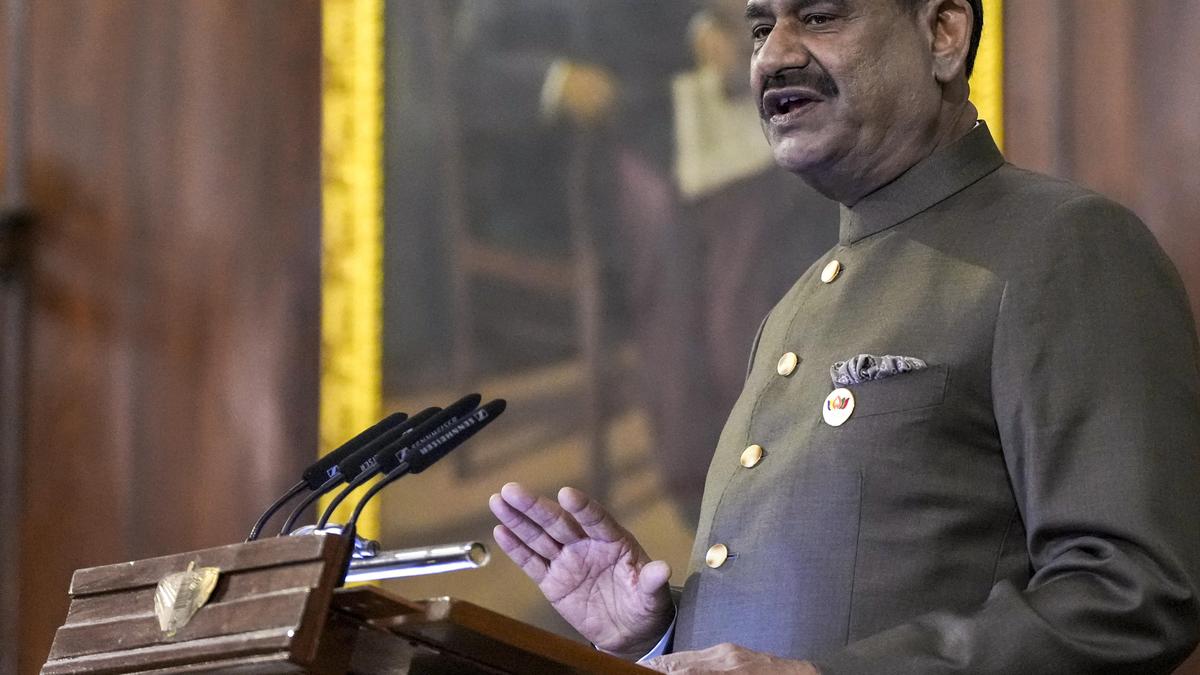
Regional conflicts and terrorism do not respect geographical boundaries and pose threats that extend far beyond the nations directly involved, Lok Sabha Speaker Om Birla said at the BRICS Parliamentary Forum. Highlighting the interconnected nature of contemporary geopolitical challenges, Birla underscored that issues ranging from armed conflicts to economic instability and trade tensions necessitate collaborative approaches from the international community.
Birla's remarks reflect growing concerns among policymakers about how localized crises in one region can trigger cascading effects across multiple nations and continents. Economic disruptions, displacement of populations, and the spread of extremist ideologies have demonstrated how regional instability reverberates through global supply chains and security frameworks.
Beyond conflict-related challenges, Birla pointed to climate change as another pressing concern that demands unified action. The interconnected nature of environmental degradation means that policies adopted by one nation inevitably impact neighboring and distant countries alike, making unilateral approaches insufficient to address the scale of the crisis.
The Lok Sabha Speaker's statement at the BRICS Parliamentary Forum comes amid heightened focus on multilateral cooperation mechanisms. He stressed that dialogue, diplomacy, and sustained cooperation among nations represent essential tools for mitigating the fallout from regional tensions and addressing shared vulnerabilities. The emphasis on these elements reflects recognition that traditional bilateral approaches may prove inadequate for tackling 21st-century transnational challenges.