World · Bangladesh Bureau
Global climate finance falls drastically short of developing nation needs
International climate funding remains severely inadequate to help vulnerable nations cope with environmental challenges, according to recent assessments. The funding gap threatens progress on climate adaptation and mitigation across the developing world.
LSN Bangladesh ·
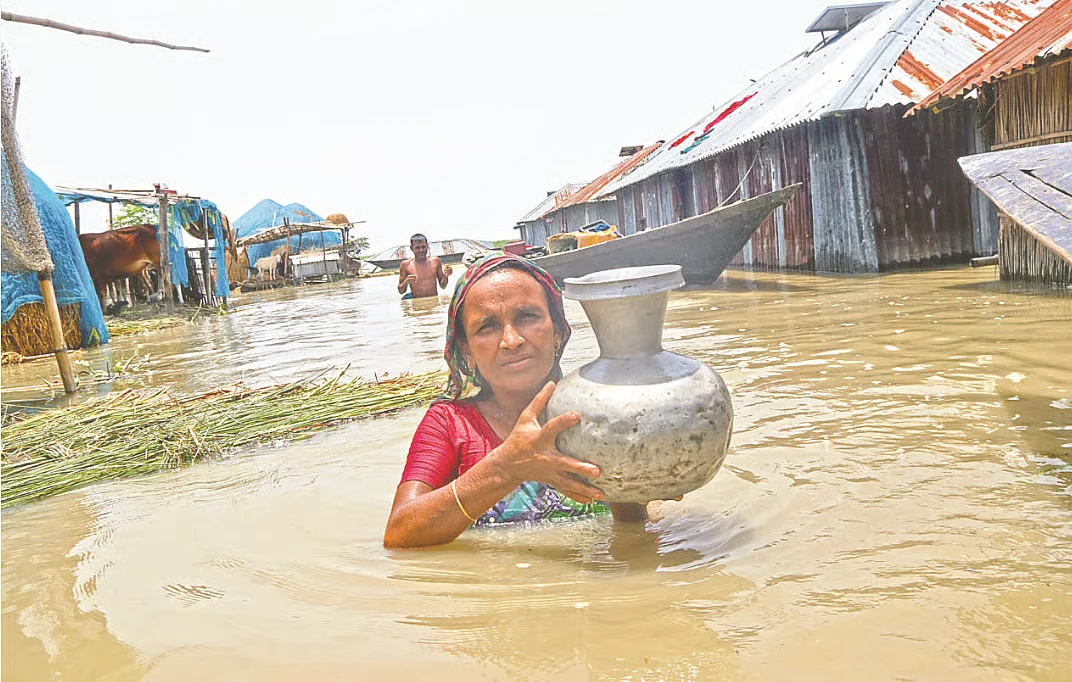
Developing countries face a critical shortfall in climate finance as global commitments fail to meet the scale of environmental challenges confronting vulnerable economies. The gap between pledged funds and actual disbursements has widened, leaving nations across South and Southeast Asia struggling to implement necessary climate adaptation and mitigation programmes.
Multiple assessments indicate that current international climate finance mechanisms fall substantially short of what developing nations require to address climate-related disasters, transition to renewable energy, and protect vulnerable populations. Bangladesh and other climate-vulnerable countries have repeatedly emphasized their need for increased, predictable funding to strengthen resilience against cyclones, flooding, and other climate impacts.
The inadequacy of climate finance has become a central point of contention in international climate negotiations. Developed nations have faced mounting pressure to increase contributions and improve the accessibility of existing funds, which developing countries argue come with bureaucratic obstacles and stringent conditions.
Experts warn that without substantial increases in climate finance, vulnerable nations will struggle to achieve climate goals while simultaneously pursuing development priorities. The financing gap threatens to deepen inequality between developed and developing nations, with poorer countries bearing disproportionate costs of climate change despite contributing minimally to global emissions.