Business · World News Bureau
Global debt crisis and Middle East tensions cloud IMF-World Bank talks
International financial leaders are gathering in Bangkok as escalating geopolitical tensions and mounting sovereign debt burdens threaten economic stability across developing nations. The specter of regional conflict and its inflationary consequences will weigh heavily on policy discussions.
LSN World News ·
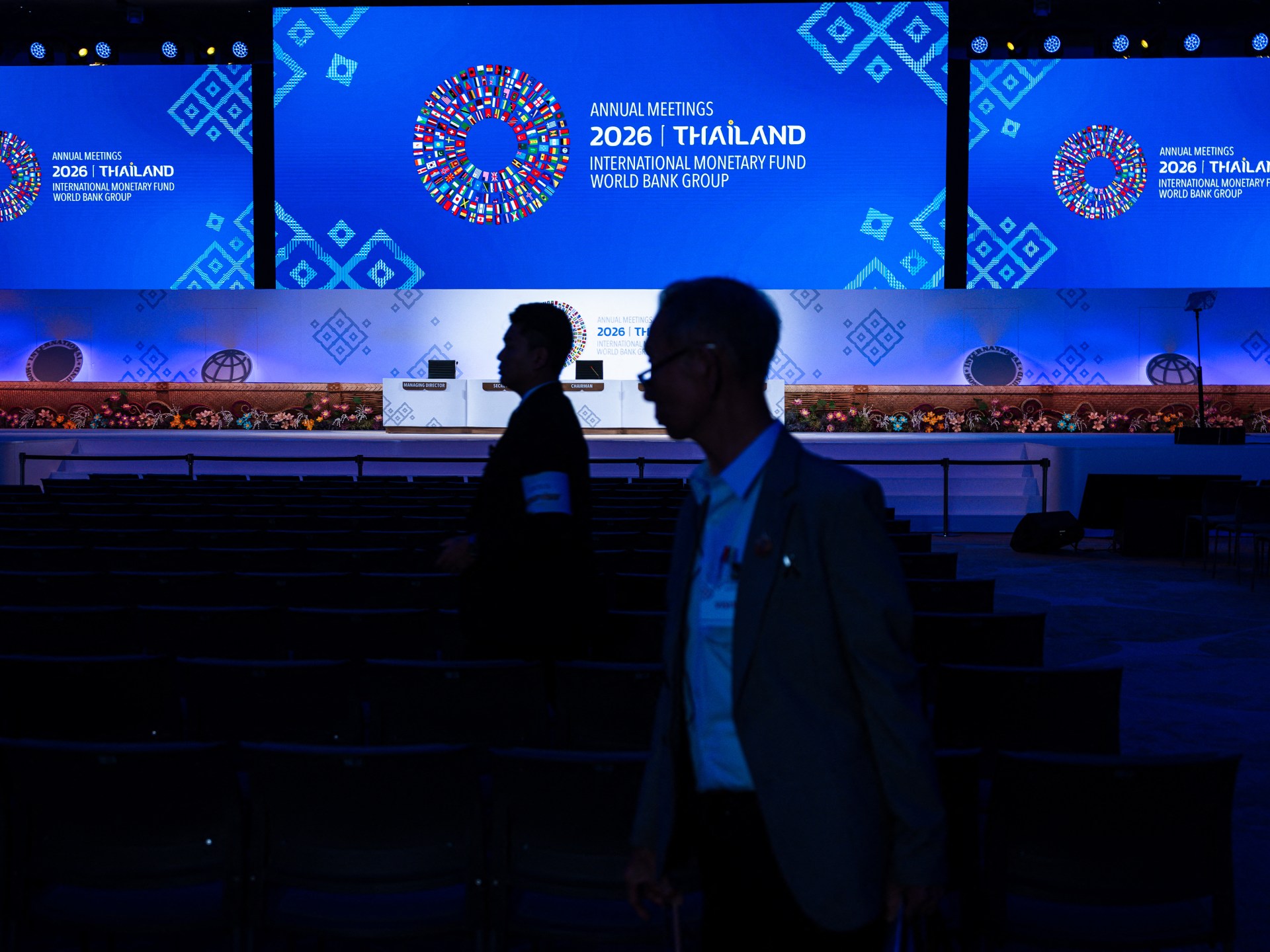
Policymakers and central bankers are convening in Thailand for the annual International Monetary Fund and World Bank meetings, with global economic fragmentation and rising debt servicing costs dominating the agenda.
The gathering comes amid heightened regional tensions that threaten to disrupt commodity markets and deepen inflationary pressures worldwide. Participants are expected to grapple with the economic fallout from geopolitical brinkmanship, particularly its impact on oil prices and supply chain vulnerabilities affecting emerging markets.
Developing economies face mounting pressure from elevated interest rates and currency volatility, as central banks worldwide maintain restrictive monetary policies to combat persistent inflation. Many nations have seen debt-to-GDP ratios rise sharply since the pandemic, constraining their ability to invest in critical infrastructure and social programs.
The Bangkok meetings will likely see renewed calls for debt restructuring mechanisms and enhanced international cooperation on fiscal sustainability. Officials are expected to debate whether current global institutions are adequately equipped to manage overlapping crises spanning energy security, inflation, and sovereign debt distress.
The outcome of these discussions could signal whether the world's major economies and multilateral organizations are prepared to coordinate responses to prevent developing nations from sliding deeper into financial distress amid continuing geopolitical uncertainty.