Business · India Bureau
Global Food Brands Reformulate Products for Indian Market Preferences
Multinational food and beverage companies including Nestlé, PepsiCo and Mondelēz modify ingredients and sugar content across their product lines when selling in India compared to Western markets. The varying formulations highlight ongoing regulatory gaps and India's unresolved debate over mandatory front-of-pack warning labels.
LSN India ·
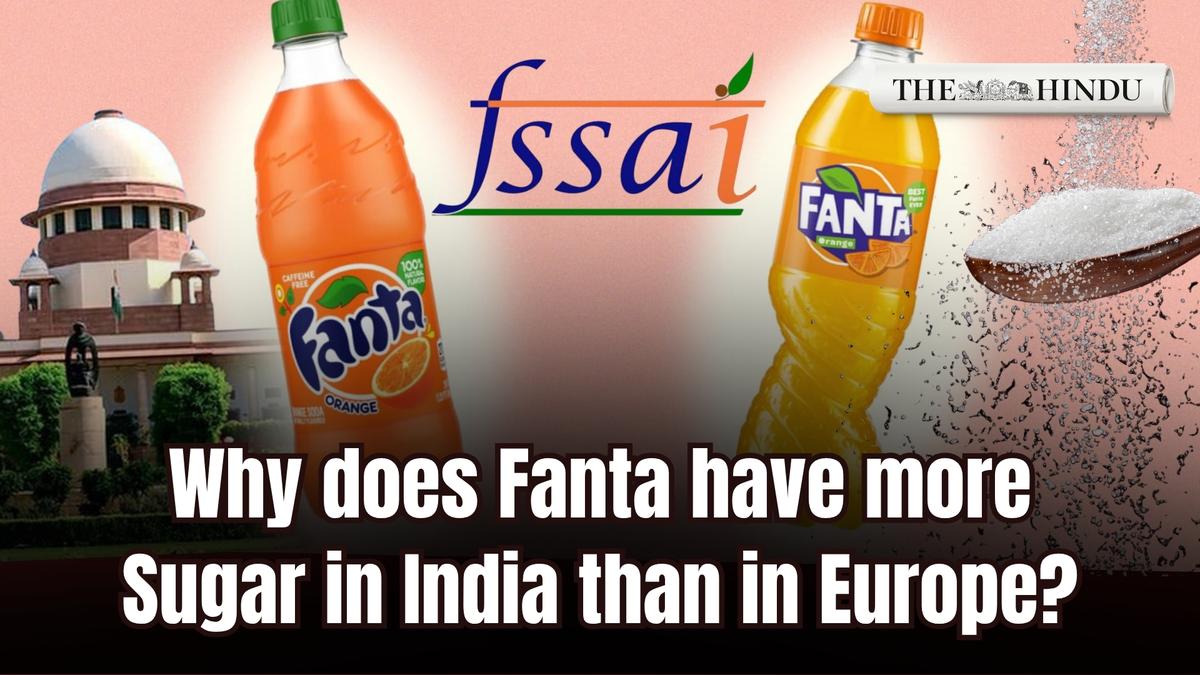
Food and beverage giants routinely adjust the composition of their bestselling products based on regional markets, with Indian consumers often receiving different formulations than their counterparts in Western nations. Popular brands such as Fanta, Maggi, KitKat and Bournvita reflect these variations through modified ingredient lists, altered sugar levels and differing nutritional labelling practices across markets.
The practice stems from multiple factors, including local regulatory requirements, consumer preferences, ingredient availability and production costs. India's regulatory environment, governed by the Food Safety and Standards Authority of India (FSSAI), permits certain additives and formulations that may be restricted elsewhere. Additionally, Indian consumers' taste preferences and purchasing power influence product development decisions by multinational corporations seeking to maximise market penetration.
A significant point of contention remains India's approach to front-of-pack warning labels. While several countries have implemented mandatory colour-coded or traffic-light labelling systems to highlight products high in sugar, salt or saturated fats, India has not yet mandated such measures. Industry groups and health advocates continue to debate the necessity and format of such warnings, leaving Indian consumers with less transparent nutritional information compared to markets with stricter labelling requirements.
The divergence in product formulations raises questions about consumer protection and regulatory consistency. Health experts argue that standardised, transparent labelling would enable Indian consumers to make informed dietary choices, while industry representatives contend that existing FSSAI standards ensure product safety without necessitating additional warning mechanisms. The ongoing regulatory debate underscores the need for comprehensive policy decisions that balance public health concerns with commercial considerations in India's food and beverage sector.