Politics · World News Bureau
Global food waste crisis persists as hunger affects 645 million people
More than a billion tonnes of food is discarded annually worldwide while hundreds of millions face hunger, highlighting a critical disconnect in global food systems. Experts point to consumption patterns in developed nations and supply chain inefficiencies as key drivers of waste.
LSN World News ·
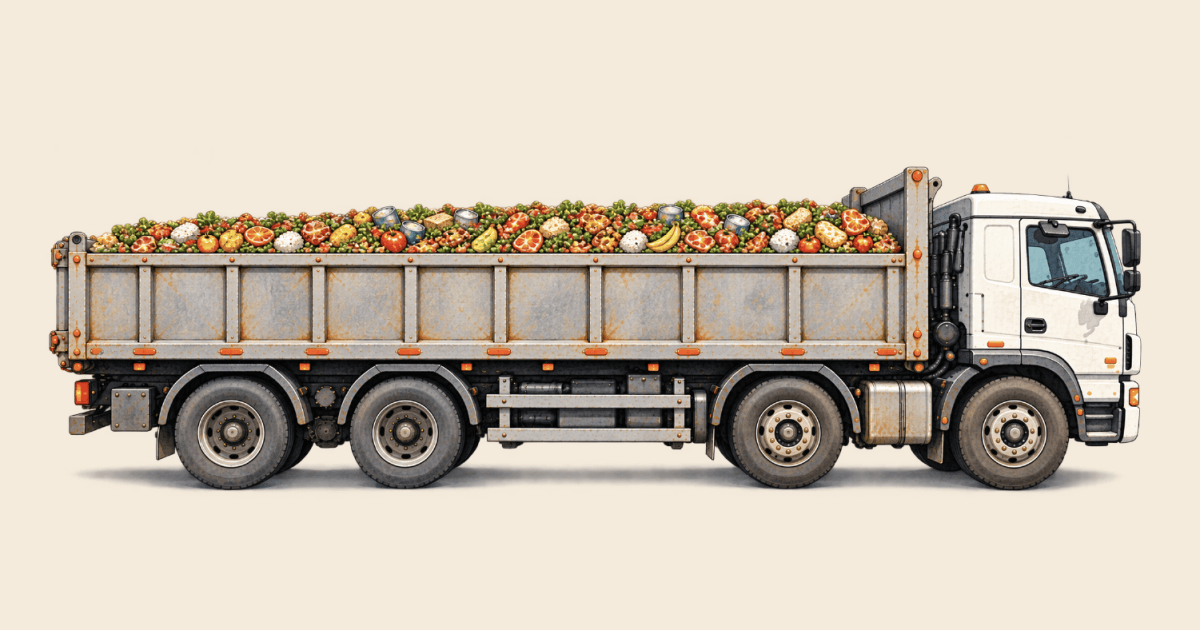
The contradiction between global food abundance and widespread hunger underscores a systemic failure in how the world produces, distributes and consumes food. As World Food Day draws attention to the crisis, data reveals that approximately 645 million people currently suffer from hunger while over one billion tonnes of food is wasted each year—enough to feed the world's hungry multiple times over.
The waste problem is geographically uneven. Developed nations account for a disproportionate share of food waste, driven by consumer behavior, retail practices and supply chain inefficiencies. Supermarkets discard produce deemed cosmetically imperfect, restaurants waste excess inventory, and households throw away edible food due to confusion over expiration dates or lack of meal planning. Meanwhile, developing countries lose significant quantities of food to inadequate storage, transportation infrastructure and processing facilities.
Addressing the crisis requires action at multiple levels. Governments and businesses are implementing strategies such as standardizing date labeling, reducing packaging requirements, and donating surplus food to charities. Consumers can contribute by planning meals more carefully, understanding expiration labels, composting organic waste, and supporting local food systems that minimize transportation losses.
Experts emphasize that reducing food waste is not merely an environmental imperative but a humanitarian necessity. As climate change threatens agricultural productivity and global populations continue to grow, efficiency in food systems becomes increasingly vital to ensuring food security for all.