Culture & Entertainment · India Bureau
Global grain surplus fails to ease food price pressures for consumers
Despite near-record grain supplies worldwide, food remains expensive for millions as multiple factors disrupt the link between agricultural abundance and affordability. Experts warn the disconnect may threaten production capacity heading into 2027.
LSN India ·
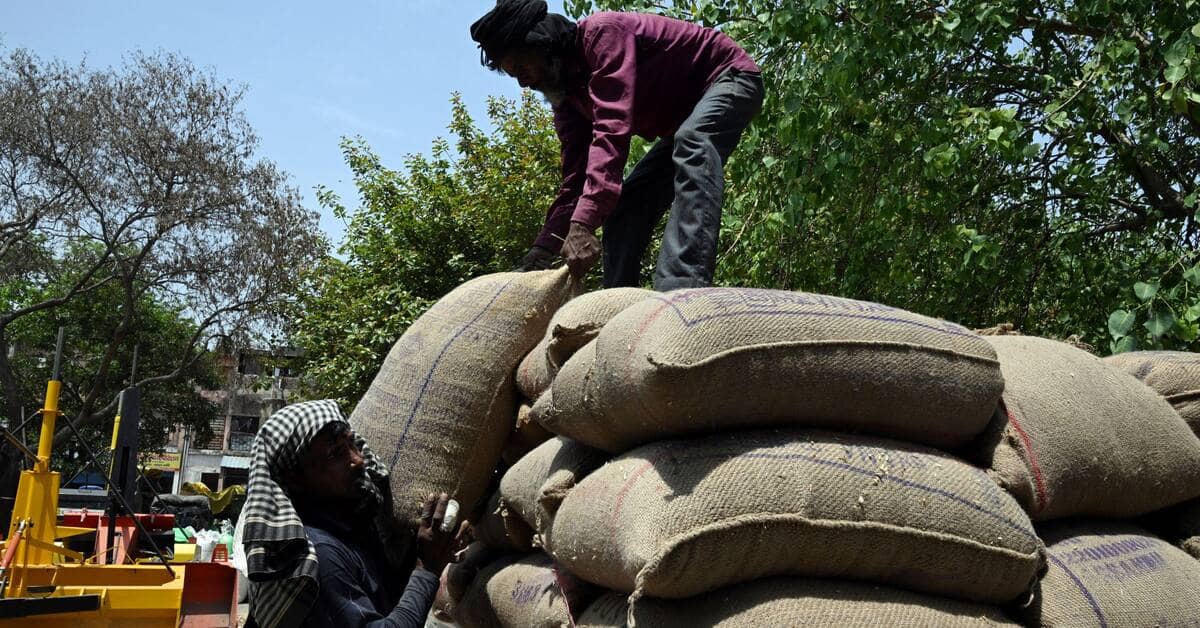
World Food Day 2026 arrives amid a paradox: global grain inventories remain at historically elevated levels, yet food prices continue to burden consumers across South and Southeast Asia and beyond. The disconnect between supply abundance and consumer affordability underscores how agricultural output alone cannot guarantee food security without addressing deeper structural challenges.
Analysts point to multiple factors constraining affordability despite ample grain stocks. Supply chain inefficiencies, storage and logistics costs, currency fluctuations, and market speculation have created a wedge between farm-level production and retail prices. In many regions, including India, inflation in food prices has outpaced wage growth, eroding purchasing power even as farmers harvest substantial yields.
Geopolitical tensions and climate-related disruptions to specific regional harvests have further complicated the picture. While global grain reserves provide a buffer, localized shortages and trade restrictions continue to drive price volatility. Energy costs for transportation and processing remain elevated, adding to consumer expenses.
Looking ahead to 2027, agricultural officials express concern that sustained affordability pressures may discourage farmers from maintaining production levels. If current economic conditions persist, reduced planting decisions could constrain supplies and worsen food security at a critical juncture. Policymakers are urged to address the gap between supply adequacy and price accessibility through targeted interventions in logistics, storage infrastructure, and market regulation.