World · World News Bureau
Global leaders decry dysfunction at UN Security Council
Senior international figures have voiced mounting frustration over the UN Security Council's inability to effectively address global crises, citing deadlock and vetoes as central obstacles to meaningful action.
LSN World News ·
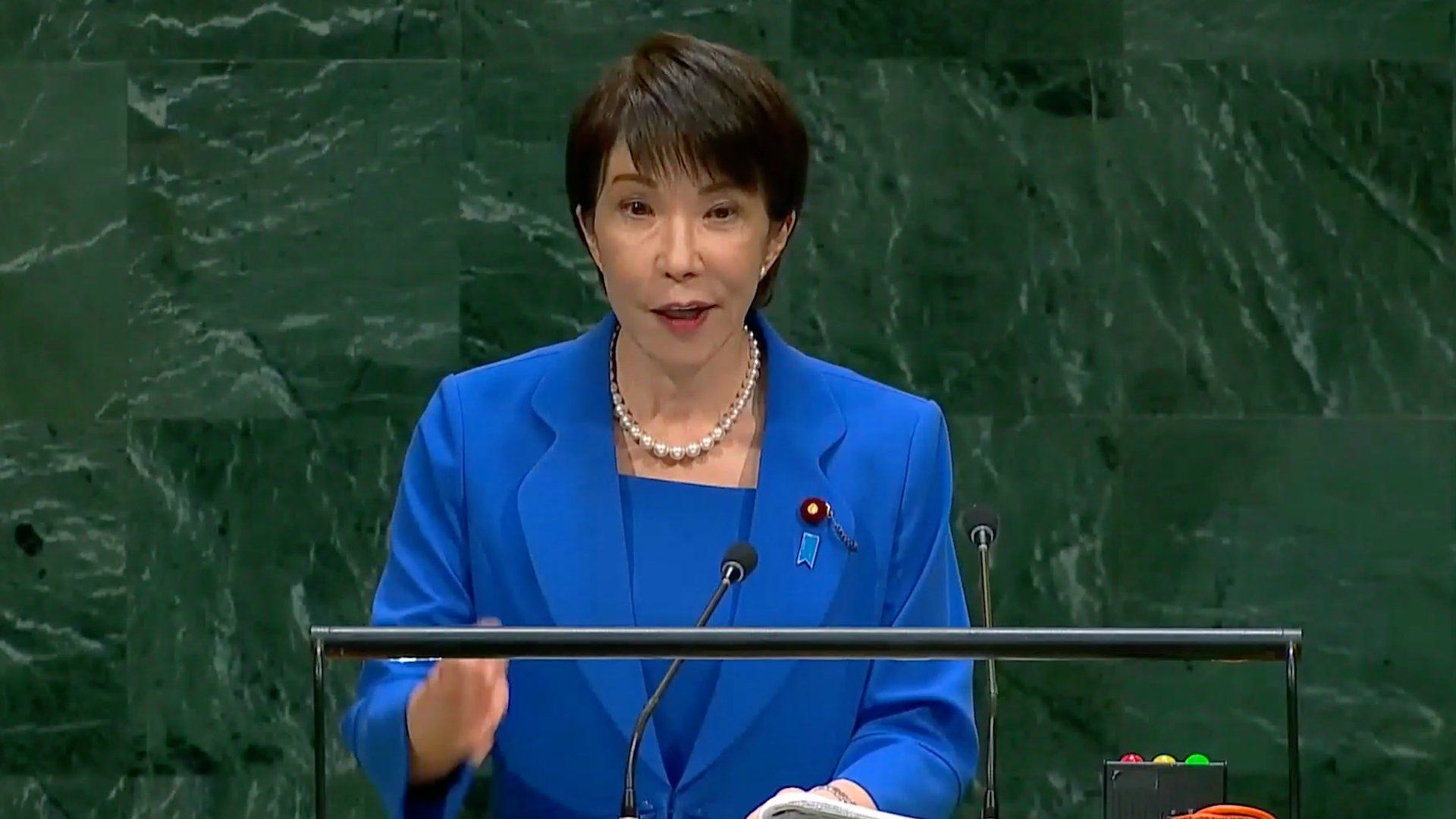
World leaders have escalated criticism of the United Nations Security Council, warning that the 15-member body is increasingly unable to fulfill its mandate to maintain international peace and security. The complaints highlight long-standing tensions between permanent members, whose veto power has repeatedly blocked coordinated responses to major conflicts and humanitarian emergencies across multiple regions.
The dysfunction has become particularly acute amid overlapping geopolitical disputes and competing strategic interests among the council's five permanent members—the United States, Russia, China, France, and the United Kingdom. Observers point to repeated gridlock on key issues as evidence that the council's decision-making structure, rooted in post-World War II power arrangements, no longer reflects current global realities.
Diplomatic sources indicate that the impasse has left the council sidelined on several major crises, forcing the UN General Assembly and regional bodies to assume greater responsibility for international response. Multiple leaders have called for reforms to the council's structure, though such changes would require approval from the permanent members themselves—a prospect many see as unlikely given entrenched interests.
The growing frustration underscores broader questions about the effectiveness of multilateral institutions in addressing 21st-century security challenges, from armed conflicts to transnational threats. Without meaningful reform or a shift in permanent member cooperation, analysts warn, the Security Council risks further marginalization in global governance.