Business · World News Bureau
Global oil reserves face strain if US-Iran tensions escalate
With strategic petroleum reserves at their lowest levels in decades, energy analysts warn the world has limited cushion if geopolitical tensions disrupt supplies through the Strait of Hormuz. A prolonged closure of the critical shipping channel could exhaust emergency stockpiles within weeks.
LSN World News ·
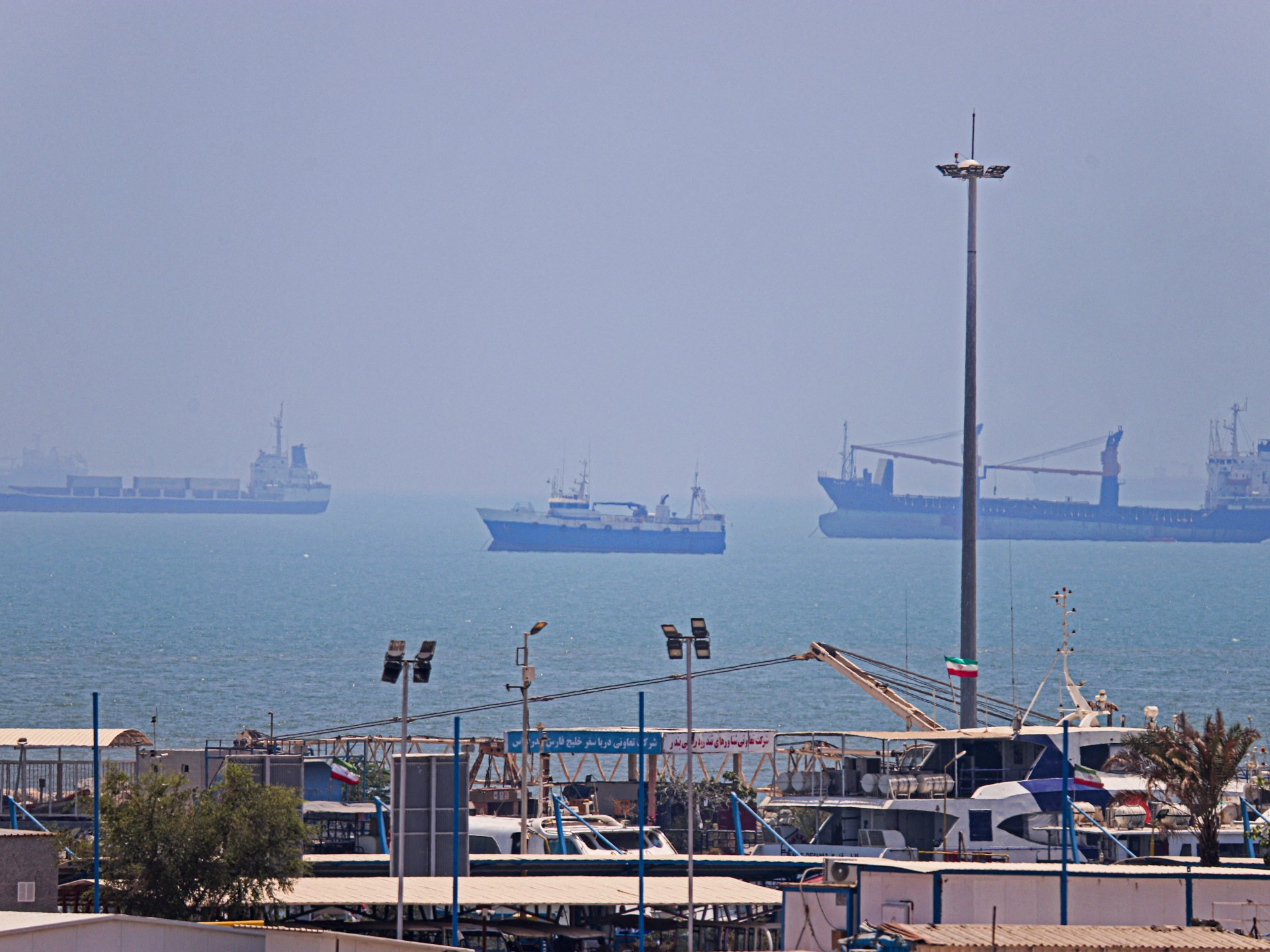
Global oil markets face significant vulnerability should escalating US-Iran tensions disrupt shipments through the Strait of Hormuz, according to energy sector analysts assessing current reserve levels. Strategic petroleum reserves across major consuming nations have fallen to multidecade lows, substantially reducing the buffer available to stabilize prices and supply during a crisis.
The Strait of Hormuz serves as a critical chokepoint for global energy markets, with roughly one-fifth of the world's traded crude oil transiting through the waterway annually. A sustained blockade or military action that closes the strait could immediately tighten supplies and force consuming nations to rapidly deplete emergency reserves.
Analysts estimate that current global stockpile levels would provide only one to two months of supply relief if normal flows through Hormuz were interrupted. This compressed timeline reflects both elevated consumption patterns and policy decisions in recent years that prioritized drawing down reserves, leaving little margin for extended supply disruptions.
Energy markets remain sensitive to geopolitical developments in the Persian Gulf region, with crude prices reflecting concerns about potential supply shocks. Policymakers and industry observers increasingly acknowledge the need to maintain adequate reserve levels to weather potential crises, particularly given the strategic importance of Middle Eastern oil production to global energy security.