World · World News Bureau
Global power shift raises questions about competing visions for world order
As China and Western nations pursue divergent geopolitical strategies, analysts debate whether the future will be shaped by one dominant model or accommodate multiple approaches. The competing visions reflect fundamentally different perspectives on governance, economics and international relations.
LSN World News ·
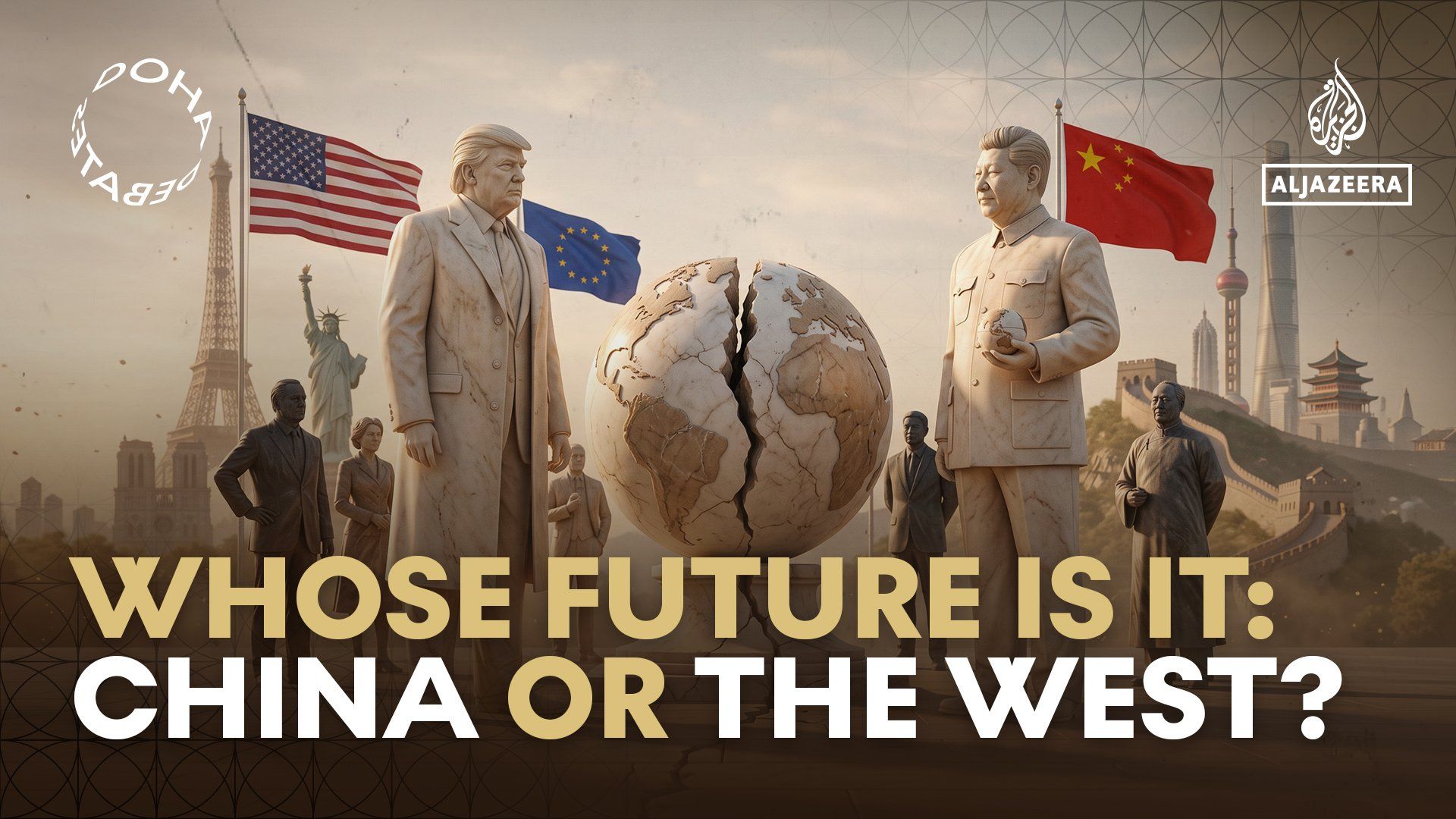
The distribution of global power is undergoing a significant realignment, with China and Western nations advancing increasingly distinct visions for how the international system should function. These competing frameworks differ substantially in their approaches to state sovereignty, economic integration, and the role of international institutions, raising fundamental questions about the trajectory of world order in coming decades.
China's model emphasizes state-led development, regional integration through infrastructure projects, and non-interference in internal affairs. Western approaches traditionally stress democratic governance, market-based economics, and rules-based international frameworks established in the post-World War II era. These divergent philosophies have begun reshaping geopolitical alignments across Asia, Africa, and beyond.
Exerts remain divided on whether these competing systems can coexist or if one will ultimately predominate. Some analysts suggest that different regions may ultimately adopt hybrid approaches tailored to local circumstances, rather than adhering strictly to either model. Others contend that ongoing competition between these visions will define international relations for the foreseeable future.
The outcome will likely depend on factors including economic performance, technological advancement, and the ability of each system to attract support from developing nations. Regional actors in South and Southeast Asia are watching closely as they navigate relationships with both major powers while pursuing their own strategic interests.